Do Joint Supplements Work, and Are They Worth Buying?
Joint supplements have mixed evidence. The largest trial of glucosamine and chondroitin, with 1,583 people over 24 weeks, found no significant overall benefit over placebo. A review of chondroitin trials found a modest pain benefit at higher doses. Guidelines put exercise and weight care first. A supplement is an add-on, not a plan.
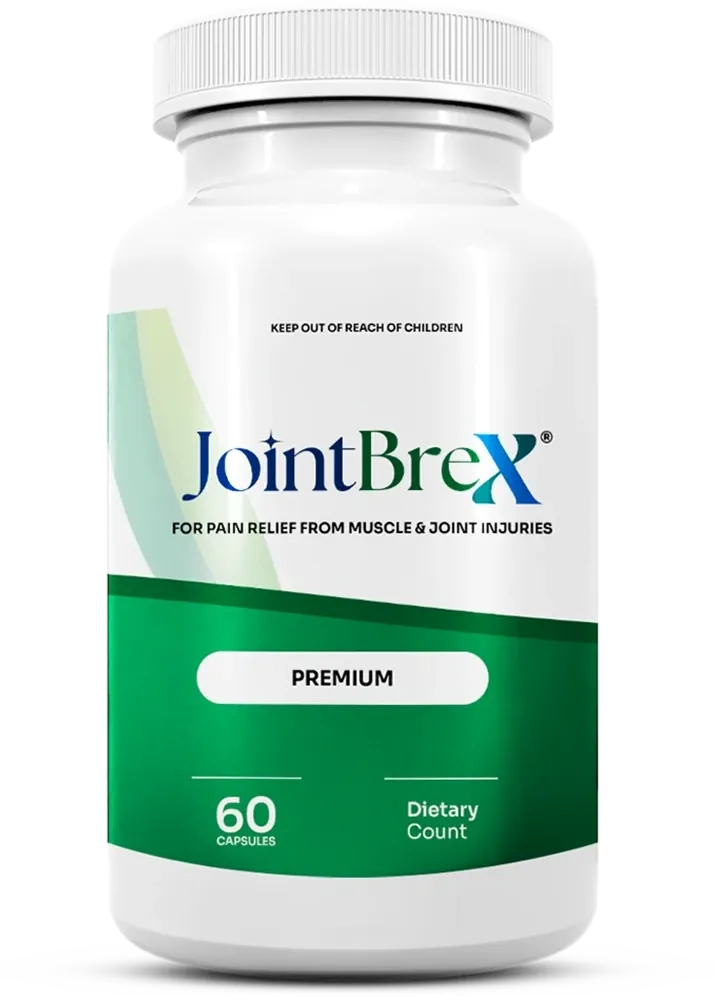
Key facts
- The largest trial of glucosamine and chondroitin, GAIT, found no significant overall benefit over placebo in 24 weeks.
- A Cochrane review of 43 chondroitin trials found a modest pain benefit, mostly at 800 to 1,200 mg a day.
- Boswellia has randomised trials at about 100 to 250 mg a day of standardised extract, with a moderate evidence rating on our dose table.
- Guidelines put exercise, weight management and structured self-management ahead of any supplement.
- No supplement is FDA approved, and a supplement may not claim to treat a disease.
- Glucosamine can trigger a reaction in shellfish allergy and interacts with warfarin.
- New pain after an injury, a hot or swollen joint or pain with fever needs a clinician.
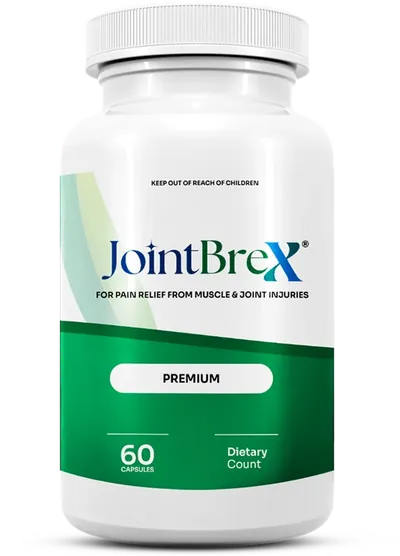
If you want to see one real product's label and terms to practise on, the order page for JointBrex shows them in full.
See today's price and guaranteeDisclosure: Jointbrexcare earns a commission if an order completes through this link. It does not change what you pay.
Do joint supplements work?
Sometimes, for some people, in some trials. That is not a dodge. It is what the best research shows. Joint supplements as a group do not have one answer, because the shelf holds dozens of different ingredients at dozens of different doses.
The questions people type, such as do joint supplements work, do any joint supplements really work and are joint supplements effective, usually expect a yes or a no. The fair reply is a map: where the evidence is mixed, where it is thin, and where it is clearly short of what the labels imply.
What did the largest trial find?
GAIT ran at 16 centers with 1,583 people who had painful knee osteoarthritis. For 24 weeks they took glucosamine hydrochloride, chondroitin sulfate, both, a prescription anti-inflammatory or a dummy pill. Overall, the supplements did not beat placebo by a significant margin (Clegg et al., 2006). About 60 percent of the placebo group still met the trial's pain-response mark.
A two-year follow-up looked at the joint itself. No group, including the drug comparison, slowed the loss of joint space in a way that met the trial's own bar (Sawitzke et al., 2008). So the best-funded test showed neither a clear pain effect overall nor a clear structure effect.
What do other sources say?
| Source | What it says |
|---|---|
| GAIT trial Clegg et al., 2006 | No significant overall benefit of glucosamine, chondroitin or both over placebo at 24 weeks |
| Cochrane review Singh et al., 2015 | 43 chondroitin trials; modest pain benefit, mostly at 800 to 1,200 mg a day |
| Boswellia meta-analysis Yu et al., 2020 | Roughly 100 to 250 mg a day of extract, usually standardised to boswellic acids; evidence moderate |
| Curcumin meta-analysis Wu et al., 2019 | Improvement over placebo at 500 to 1,000 mg a day of curcumin over 4 to 12 weeks |
| NIH, NCCIH NCCIH, 2026 | Plain-language summary; links glucosamine and chondroitin with bleeding risk in people on warfarin |
| ACR and Arthritis Foundation ACR and Arthritis Foundation, 2020 | Exercise and weight care first; conditionally recommends against glucosamine and chondroitin |
The picture is uneven. Chondroitin has a modest signal at higher doses. Boswellia has the most favourable meta-analysis, tied to standardised extracts. Curcumin trials are another product again. None of it is a blanket yes.
Why do some people feel better on a supplement anyway?
There are honest reasons. Joint pain rises and falls on its own, and people often start a supplement during a bad week. A bad week tends to be followed by a better one. The placebo effect is strong for pain, and it has been measured at about 60 percent in GAIT's dummy-pill group.
It is also possible that some people really respond, in a way the average hides. The point is that you cannot tell the difference from the inside. A written baseline can.
Are joint supplements legit and safe?
They are legal products with limits. A dietary supplement is not a drug. The FDA does not approve it, and it may describe structure or function, not treat a disease. Even the FDA's own labelling rule uses “reduces the pain and stiffness associated with arthritis” as an example of a claim a supplement may not make (FDA, 2000).
Supplements also do not need independent lab testing before sale, the way a prescription drug is tested. That is why a lab report, not a badge, is the useful document. Safety depends on the ingredient and the person. Glucosamine from shellfish can trigger a reaction in shellfish allergy (Mayo Clinic, 2026), and it has a documented interaction with warfarin. Ask a pharmacist before combining.
What do guidelines recommend before a supplement?
Exercise, structured self-management and weight management where it applies. The ACR and Arthritis Foundation guideline rates exercise highly for almost all people with osteoarthritis, while it conditionally recommends against glucosamine and chondroitin (ACR and Arthritis Foundation, 2020). A physician summary adds that a 5 percent drop in body weight can ease knee and hip pain on its own (Buelt and Narducci, 2021).
That ranking is the opposite of the supplement aisle's. It does not make a capsule useless. It makes it a small add-on to the things that carry the evidence.
Are joint supplements worth buying?
Ask four questions before you pay. Is the amount per serving close to a dose that was studied? Does the label say how strong a plant extract is? Does the front make claims a supplement may not make? What is the cost per day, and what can you get back if it does nothing?
A product like JointBrex shows why. Seven of its eight printed amounts sit below the doses in the research people cite, boswellia is in range but without a strength figure, and the real refund window is about 30 days. That is not a verdict. It is a way of seeing what you are buying.
If you are an adult with mild stiffness, no shellfish allergy and no blood thinner, a trial can be reasonable, alongside exercise and with your doctor aware. If pain is new, severe, hot, swollen or follows an injury, go to a clinician (Mayo Clinic, 2026 (joint pain)).
Frequently asked questions
Do joint supplements work?
Evidence is mixed. The largest trial of glucosamine and chondroitin found no significant overall benefit over placebo, while some reviews of chondroitin and boswellia found modest benefits at studied doses.
Do joint supplements help arthritis?
They are not a treatment for arthritis. Guidelines put exercise and weight care first and conditionally recommend against glucosamine and chondroitin.
Are joint supplements safe?
It depends on the ingredient and the person. Shellfish-derived glucosamine can trigger an allergic reaction, and glucosamine interacts with warfarin. Ask a pharmacist before combining.
Are joint supplements FDA approved?
No. The FDA does not approve dietary supplements, and a supplement may not claim to treat a disease. Be cautious of any label that says otherwise.
Why do I feel better on a joint supplement?
Joint pain varies by itself, people start supplements on bad weeks, and the placebo effect is strong. About 60 percent of GAIT's placebo group met the pain-response mark.
Are joint supplements worth the money?
Check the amounts against studied doses, the strength of plant extracts, the claims on the front, the cost per day and the refund terms. Then treat it as an add-on, not the plan.
Our view
Joint supplements do not have a single answer, and anyone who gives you one is selling something. The best trial was mixed, some reviews found modest benefits at full doses, and the guidelines rank exercise and weight care above any capsule.
If you buy one, buy it with open eyes: compare the label with the research, write a baseline, set a review date and keep your doctor informed. That turns a gamble into a fair test.
If you do decide to try a joint supplement, set a baseline and a review date first. The JointBrex order page shows one product's terms to plan around.
See today's price and guaranteeDisclosure: Jointbrexcare earns a commission if an order completes through this link. It does not change what you pay.
Last updated . This page is general information, not medical advice. JointBrex is a dietary supplement, it is not FDA approved, and no supplement is. Talk to a doctor or pharmacist about your own joint pain, your medicines and your health history.