Joint Pain Claims and Label Rules
US law lets a supplement describe body function, not treat a named condition. The FDA's own rule gives 'reduces the pain and stiffness associated with arthritis' as a claim a supplement may not make; a disclaimer does not fix an unsubstantiated one, per the FTC. This label's front panel reads as the prohibited kind.
A supplement can describe what it does. It cannot claim to treat what ails you
Two kinds of sentence can appear on a dietary supplement label, and the law draws a hard line between them. One kind describes how the product affects the body's normal structure or function: "supports joint comfort," "helps maintain healthy cartilage." The other kind claims the product treats, prevents, cures or reduces a symptom of a disease: "relieves arthritis pain," "treats joint injuries." The first kind is legal for a supplement to print. The second kind is not, unless the product is regulated as a drug, tested and approved as one.
This page is about that line: where it comes from, what a regulator has already said about a claim shaped exactly like the one on the front of this bottle, and a short method you can use on any supplement label, not just this one.
Most readers never see the underlying rule. They see a bottle, a bold sentence about pain relief, and a small asterisk that trails off into print too fine to bother with. The rule exists precisely because that gap, between what a label is legally allowed to promise and what a shopper reasonably takes away from reading it quickly, is where a supplement label does its most persuasive work. Closing that gap for one specific product is what the rest of this page does.
What this label prints, next to the rule it runs into
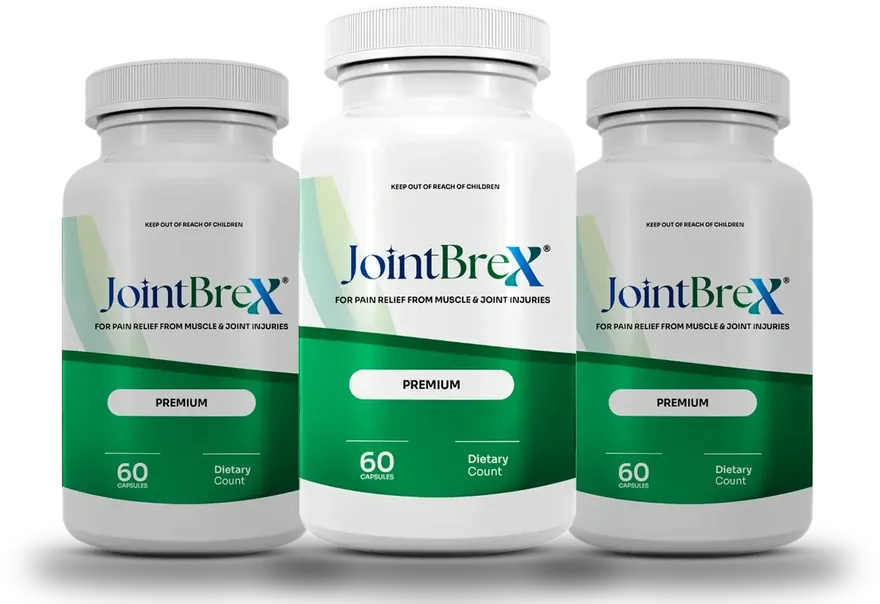
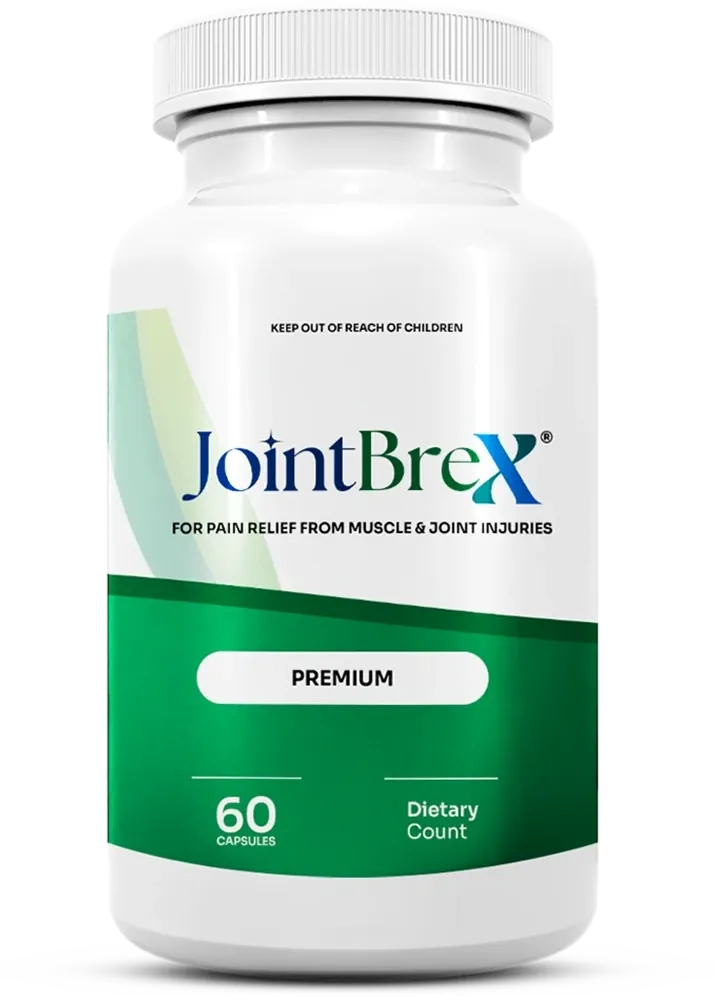
FOR PAIN RELIEF FROM MUSCLE & JOINT INJURIES*
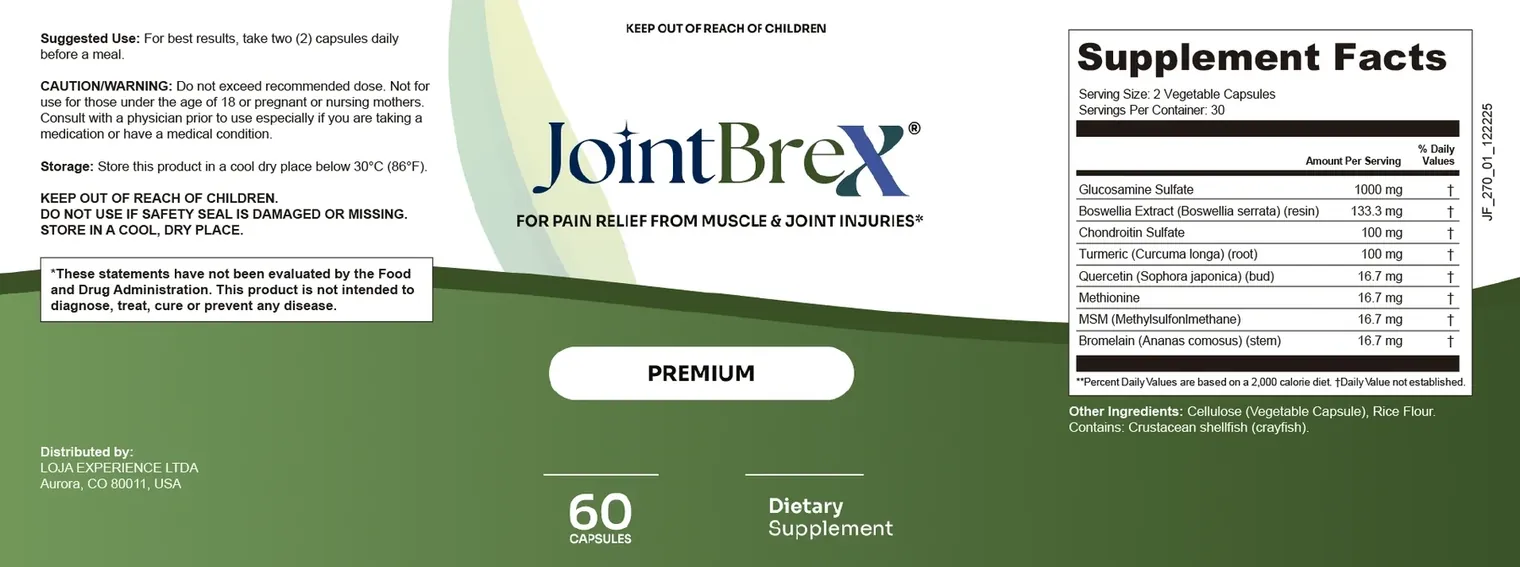
With an asterisk leading to the standard FDA disclaimer on the back.
“reduces the pain and stiffness associated with arthritis”
From the federal rule that separates a structure and function claim from a disease claim.
A claim to relieve pain from an injury is a claim to treat something. The disclaimer underneath does not convert it back into a permitted one: a regulator has said in terms that a disclaimer does not cure an unsubstantiated treatment claim. We quote the front of the bottle because it is a fact about the product, and we correct it in the same breath.
The front panel of this bottle reads “FOR PAIN RELIEF FROM MUSCLE & JOINT INJURIES*” The asterisk leads to a disclaimer on the back, the standard sentence required on every supplement: that the claim has not been evaluated by the FDA and the product is not intended to diagnose, treat, cure or prevent any disease. Both halves are facts about this label, and we quote both because a page about label rules should show its own example rather than describe one in the abstract.
The FDA's own example of a claim a supplement may not make
The line between the two kinds of claim is not this site's opinion. It comes from a specific federal rule: the FDA's year 2000 final rule on structure/function claims for dietary supplements, codified at 21 CFR 101.93. U.S. et al., 2000 The rule needed a worked example to show where the line actually falls, and the example the agency chose to publish is this one, word for word:
“reduces the pain and stiffness associated with arthritis”
The FDA states plainly that this sentence is a disease claim, not a structure/function claim, because it names a condition (arthritis) and promises relief from that condition's symptoms. A supplement label may not say it, in those words or close equivalents, without the product being regulated and approved as a drug. No joint supplement sold as a dietary supplement, including this one, has gone through that process.
The rule also explains why the line falls where it does. A dietary supplement is legally a category of food, not a drug, and the structure/function framework exists so a food product can describe ordinary nutritional support (calcium "helps maintain healthy bones," for instance) without that description sliding into a claim that the product treats a diagnosable disease. Arthritis is a diagnosable disease. "Muscle and joint injuries," the phrase this label actually uses, names a condition in the same way, which is why it lands on the same side of the line as the FDA's own example rather than beside it.
| Type of claim | Example wording | Allowed on a supplement label? |
|---|---|---|
| Structure/function claim | "Supports joint comfort and flexibility" | Yes, with the standard FDA disclaimer |
| Disease claim (the FDA's own example) | "reduces the pain and stiffness associated with arthritis" | No, not without drug approval |
| This label's front panel | "FOR PAIN RELIEF FROM MUSCLE & JOINT INJURIES*" | Reads as the disease-claim category above, not the permitted one |
What the asterisk actually does, and what it does not do
The asterisk-and-disclaimer convention is everywhere in this industry, and it is worth being precise about what it actually does. It exists because federal law requires it on every structure/function claim: a sentence stating the FDA has not evaluated the claim and the product is not meant to diagnose, treat, cure or prevent disease. That requirement assumes the claim itself was allowed to begin with. It is a disclosure attached to a permitted claim, not a fix for a claim that was not permitted in the first place.
The FTC's 2022 Health Products Compliance Guidance addresses this directly. It states that a marketer making a disease-related claim needs competent and reliable scientific evidence before making it, and warns specifically against making a treatment claim “even if the claim is carefully qualified” by wording like an asterisk and disclaimer. Federal et al., 2022 In plain terms: printing the disclaimer does not turn a disease claim into a legal one. It is a separate legal requirement, answering a separate question.
This matters for how you read the front of this bottle specifically. The asterisk after “FOR PAIN RELIEF FROM MUSCLE & JOINT INJURIES” leads to a true, required disclosure. It does not mean the claim in front of it has been checked against the FDA's disease-claim rule and passed. Those are two separate sentences doing two separate jobs, printed one after the other in a way that makes them easy to read as if the second fixes the first.
It helps to say what the disclaimer is actually for, since it does real work even though it does not do the work a reader might assume. It tells you the federal government has not independently verified the claim above it and that the product is not a substitute for diagnosis or treatment of an actual disease. That is useful information. It is simply a different piece of information from "this claim is allowed," and the two get compressed into one impression by the time most readers reach the bottom of a label.
A real enforcement case, in the same product category
This is not a theoretical line. The FTC has enforced it against a joint supplement before, in a case close enough to this product's category to be directly relevant, and specific enough that it should not be stretched to describe any other company.
FTC v. A.S. Research, LLC (Synovia)
The FTC brought and settled an action in 2019-20 against the marketer of Synovia, a joint-health dietary supplement, over claims that it could treat arthritis and alleviate joint pain without the scientific substantiation the law requires for a claim shaped that way. Federal et al., 2020
The outcome
The settlement returned roughly $775,000 to consumers who had bought the product on the strength of those claims. That figure is a matter of public FTC record, not an estimate.
This case is about Synovia, a different product from a different company. So far as we know, JointBrex and its sellers have not been the subject of any FTC or FDA enforcement action, and this page does not suggest otherwise. What the case does show is that the specific pattern on this label — a named condition, a promise of pain relief, no drug approval behind it — is not a hypothetical regulatory risk. It is a pattern the FTC has acted on before, against a product in the same general category, within the last several years.
What one case does and does not prove about enforcement generally
One case is not proof that enforcement is common, and it is worth being precise about that too. Joint supplements with treatment-shaped claims are widespread; a single settled action against one marketer does not mean every similar claim on every other bottle gets the same scrutiny, or any scrutiny at all. Most of this kind of claim is never challenged, for the ordinary reasons that regulators have limited resources and a single case can take years to reach a settlement.
What the Synovia case establishes is narrower and more useful: that this exact shape of claim, a joint supplement promising to treat pain from a named condition, is a real category the FTC recognizes and has pursued, with a real dollar figure attached to the outcome. It is evidence that the line drawn by the FDA's rule is not merely theoretical. It is not evidence about the odds facing any particular other company, and this page draws no such conclusion about JointBrex.
Applying the rule to the front of this specific bottle
Putting the rule, the disclaimer point and the enforcement case together, here is what they add up to for this specific label. The front panel names a condition, injuries, and promises relief from its pain. That wording sits in the same category the FDA's own rule uses “reduces the pain and stiffness associated with arthritis” to illustrate, not the permitted structure/function category the disclaimer is meant to accompany. The asterisk and back-panel disclaimer are a required disclosure, not a correction of that underlying claim.
We are not alleging this label has been the subject of any regulatory action; it has not, so far as we know, and this page makes no such claim. What we can say plainly is that the front panel makes a claim shaped like the one the FDA's rule specifically calls out, and this site does not repeat that claim as if it were an established fact about what the product does. Every other page here that quotes the front panel corrects it in the same sentence, for that reason.
What could honestly be said instead is a structure/function statement: that several of this product's ingredients have been studied for joint health, with mixed results, mostly at doses higher than this label uses. That distinction, dose against studied dose, is covered in full on the label dose versus trial dose guide. It is a claim that can be checked. “Pain relief from injuries” is not, at least not on the evidence available for this product.
None of this turns on any single ingredient being useless. It turns on the gap between what a front-panel sentence promises and what the underlying research, at this label's actual doses, can support. A claim can be legally shaped correctly and still be weakly supported; it can also be dosed reasonably and still be worded in a way the law does not permit. This label has the second problem, which is a wording problem, separate from the dosing problem covered elsewhere on this site.
A short method for reading any supplement label this way
The same five checks apply to any bottle on any shelf, not only this one.
Read the front panel as two separate claims
Separate any wording that names a condition or promises relief (a disease claim) from wording that describes a body function, like "supports" or "helps maintain" (a structure/function claim). Most labels blend both in one sentence on purpose.Check what the asterisk actually leads to
It should lead to the standard FDA disclaimer. That disclaimer is a required disclosure, not evidence the claim above it was reviewed or approved.Ask whether the claim names a specific condition
"Joint comfort" is vague enough to be a structure/function claim. "Arthritis," "injuries," or any other named condition paired with a promise of relief moves the sentence toward the disease-claim category the FDA's rule restricts.Look for the evidence behind the claim, not just the wording
A structure/function claim can still be weakly supported. Checking the actual studies behind an ingredient, at the actual dose on the label, tells you more than the legality of the sentence alone does.Treat a disclaimer as a disclosure, not a defense
If a claim reads like a disease claim with an asterisk attached, the asterisk has not changed what kind of claim it is. Read the sentence on its own terms first.
Step one on this bottle: “FOR PAIN RELIEF FROM MUSCLE & JOINT INJURIES*” names an injury and promises relief, so it reads as a disease claim. Step two: the asterisk leads to the standard FDA disclaimer, which discloses rather than approves. Step three: "muscle & joint injuries" is specific enough to count as a named condition, not a vague structure/function phrase. Steps four and five are what the rest of this site is for: the dosing evidence and the plain reading of what a disclaimer can and cannot fix.
A softer claim, from the same product's sales page
For contrast, here is language from this product's own sales page, separate from the front-panel claim above. These sentences read as structure/function style claims about mobility and flexibility, which is a different legal category from the front panel's treatment wording, even though both are marketing for the same bottle.
“Provide deep nourishment and intense support directly to joint tissues, where mobility and flexibility are regulated”
“Restore natural mobility and joint flexibility, eliminating the sensation of stiffness so you can move with confidence again”
“The result is less pain, less stiffness, and more freedom to move”
None of these sentences names a disease or promises relief from one specifically, so they sit closer to the permitted category than the front panel does. That does not make them proven; it makes them a different, and legally separate, kind of claim. Whether the ingredients behind them are dosed at levels the cited research actually used is a question the ingredients page and the dose guide answer directly; this page is about what kind of sentence is legally allowed, not about whether it is true.
Claims & Label Rules: common questions
What is the legal difference between a structure/function claim and a disease claim?
A structure/function claim describes how a product affects the body's normal structure or function, like "supports joint comfort." A disease claim names a condition and promises to treat, prevent or relieve it. Only the first is allowed on a dietary supplement label without drug approval.
Does the FDA actually list an arthritis-related example of a claim that's not allowed?
Yes. The FDA's 2000 final rule gives “reduces the pain and stiffness associated with arthritis” as its published example of a disease claim a supplement label may not make.
Does putting an asterisk and disclaimer under a claim make it legal?
No. The FTC's 2022 compliance guidance states a disclaimer does not cure an unsubstantiated disease claim, even when it's carefully worded. The disclaimer is a separate, required disclosure, not a fix for the claim above it.
Has the FTC actually taken action over a joint supplement's claims before?
Yes. FTC v. A.S. Research (Synovia), settled 2019-20, involved claims that a joint supplement could treat arthritis and alleviate joint pain, and returned roughly $775,000 to consumers.
Is JointBrex under investigation or subject to any FTC or FDA action?
Not so far as we know. This page discusses a different company's enforcement case and a published federal rule to explain how the rules work, and does not allege any action against JointBrex or its sellers.
What does this label's front panel actually claim?
“FOR PAIN RELIEF FROM MUSCLE & JOINT INJURIES*” It names an injury and promises pain relief from it, which reads as the disease-claim category the FDA's own rule restricts, not the permitted structure/function category.
How should I read a claim like this on any supplement, not just this one?
Separate any wording naming a condition from wording describing body function, check where the asterisk actually leads, and remember a disclaimer discloses rather than defends. The steps on this page walk through that method in full.
Keep reading
What could honestly be claimed instead
Every ingredient's amount against its studied dose, and what each cited trial actually found.
Read →The ingredients behind the softer sales-page claims
Source, amount and studied dose for each of the eight ingredients this label prints.
Read →The guides hub
Both long-form guides, three blog posts, and a five-step method for reading any Supplement Facts panel.
Read →Order JointBrex from the authorized retailer
60 servings per bottle, 1 to 2 droppers a day. Kits of 2, 3 or 6 bottles run from $49 a bottle on the sales page, with a 60-day money-back guarantee. Questions first? Call +1 (302) 200-3480.