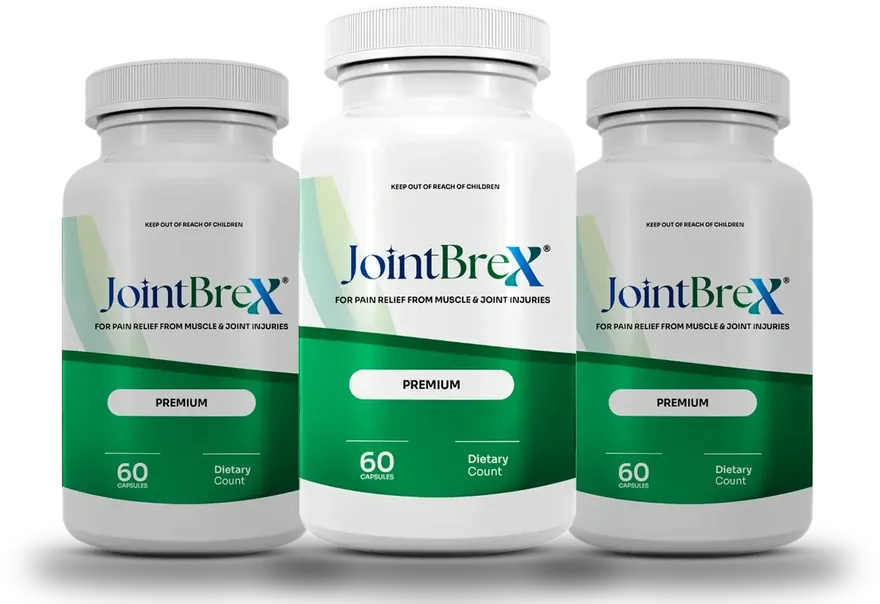
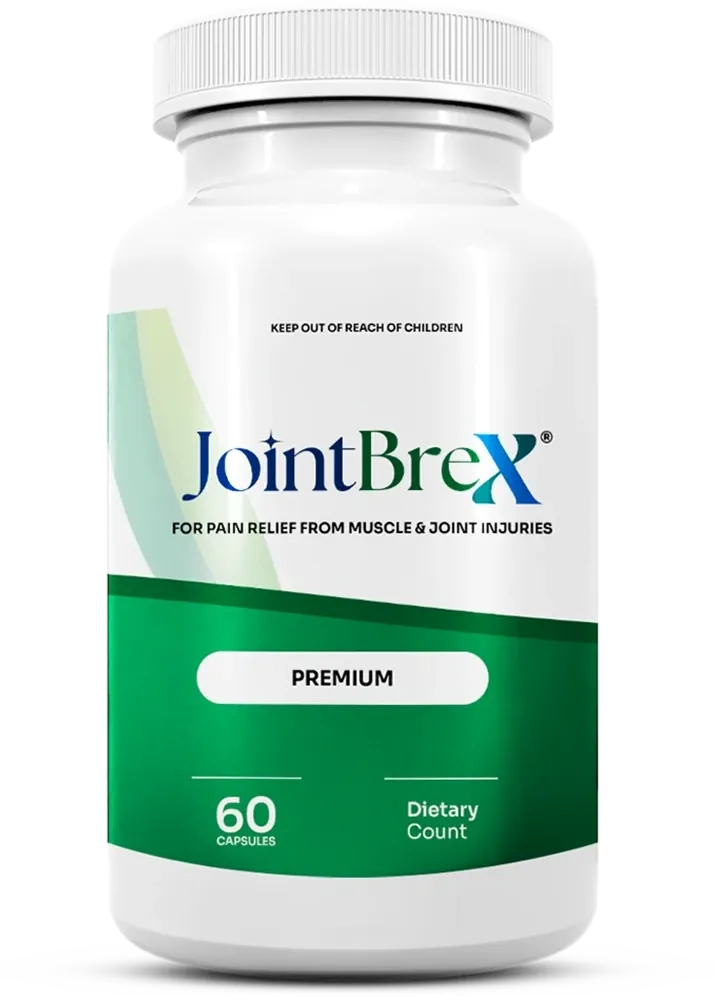
JointBrex Ingredients: What Each Two-Capsule Serving Holds
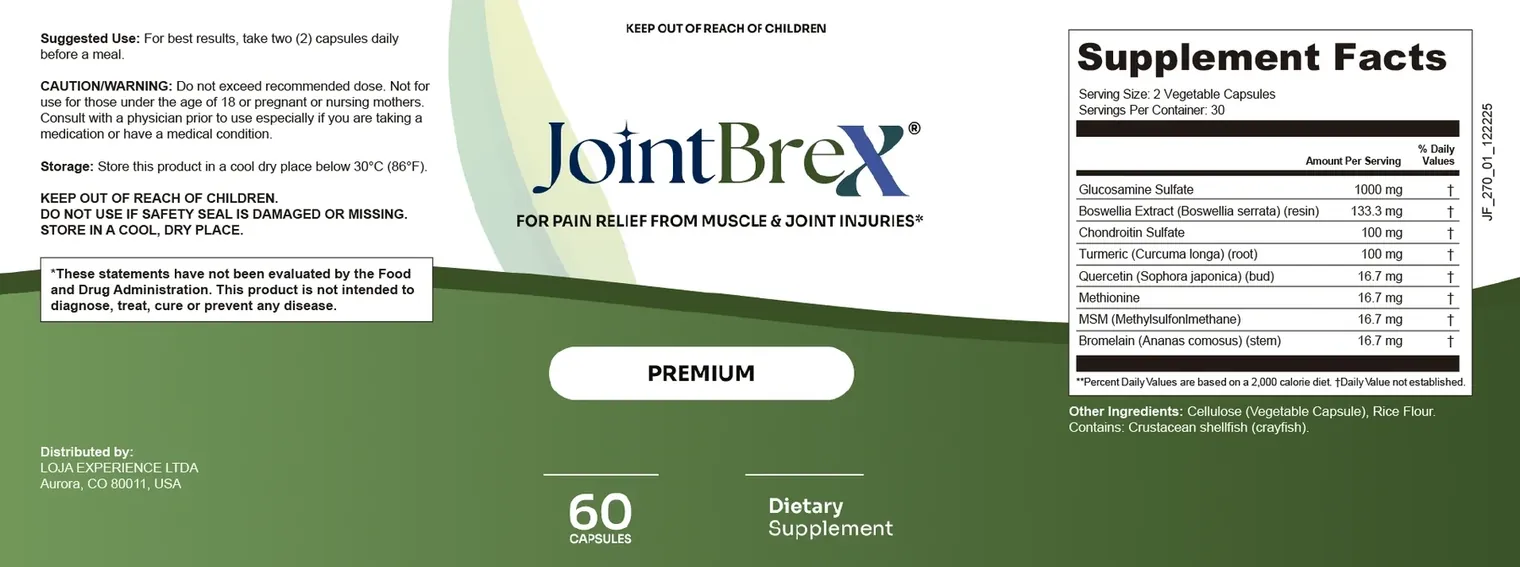
JointBrex lists eight ingredients per two-capsule serving.
Boswellia extract, at 133.3 mg, falls inside the dose range used in research. The table below shows each label amount next to the dose studied for it.
To check the daily routine, see how to take JointBrex.
Eight ingredients, and the dose each one was actually studied at
The amount printed on the panel, next to the amount used in the research cited for it.
This bottle prints eight ingredients per two-capsule serving, and each one has a published trial behind it at a specific daily dose. The table below puts what this bottle supplies next to what those trials used. Boswellia is the only ingredient that lands inside its studied range; two others, turmeric and methionine, are not quite the substances the trials tested at all.
| Ingredient | Amount here | Dose used in research | Human evidence |
|---|---|---|---|
| Glucosamine Sulfate | 1000 mg | 1,500 mg/day | Limited Below range |
| Boswellia Extract | 133.3 mg | 100-250 mg/day | Moderate In range |
| Chondroitin Sulfate | 100 mg | 1,200 mg/day | Limited Below range |
| Turmeric root | 100 mg | 500-1,000 mg/day | Weak Below range |
| Quercetin | 16.7 mg | 500 mg/day | Limited Below range |
| Methionine | 16.7 mg | 1,500 mg/day | Weak Below range |
| MSM | 16.7 mg | 3,375 mg/day | Limited Below range |
| Bromelain | 16.7 mg | 800 mg/day | Weak Below range |
"Evidence" rates the ingredient at the dose studied, not this label's amount. The full panel is on Supplement Facts; the arithmetic is on label dose versus trial dose.
Open each ingredient for the full picture
Amount, research dose, what the research found, and the safety note, in one place per ingredient.
Glucosamine Sulfate
glucosamine sulfate · amino sugar
The largest line, and still below the 1,500 mg used in the trials people quote. This label supplies 1000 mg of glucosamine sulfate per 2-capsule serving — below even the low end of studied glucosamine-sulfate doses (typically 1,500 mg/day) and well below GAIT's 1,500 mg/day glucosamine hydrochloride.
- In one serving
- 1000 mg per 2-capsule serving
- Dose used in research
- The GAIT trial
- Safety note
- This label's crayfish-derived glucosamine sulfate carries a real shellfish-allergen risk that Mayo Clinic and the label's own 'Contains: Crustacean shellfish (crayfish)' declaration both flag — people with shellfish allergy should not take this product.
- Sources
- Clegg et al., 2006 · Sawitzke et al., 2008
Boswellia Extract
Boswellia serrata · resin
The one ingredient here whose amount lands inside the studied range, though no standardisation is given. This label's 133.3 mg of Boswellia extract (resin) falls within the broad range used in positive trials, which is more favorable than most other ingredients on this label — but every trial with a positive result used an extract standardized to a specific boswellic acid (commonly AKBA) content, and this label discloses no standardization at all, so the actual boswellic-acid delivery of this specific 133.3 mg cannot be verified from the label as printed.
- In one serving
- 133.3 mg per serving
- Dose used in research
- Randomized trials pooled in a 2020 meta-analysis used roughly 100-250 mg/day of Boswellia serrata extract, generally standardized to AKBA or total boswellic-acid content
- Safety note
- No dedicated safety review was located specifically for this label's dose.
- Sources
- Yu et al., 2020 · López-Román et al., 2023
Chondroitin Sulfate
chondroitin sulfate · connective tissue extract
One twelfth of the amount used in the largest trial of it. This label supplies only 100 mg of chondroitin sulfate per serving — one-twelfth of the GAIT trial dose (1,200 mg/day) and well below the range used in the Cochrane meta-analysis that found a real, if modest, pain benefit.
- In one serving
- 100 mg per serving
- Dose used in research
- The GAIT trial used chondroitin sulfate 400 mg three times daily
- Safety note
- Chondroitin's safety profile in the Cochrane review was favorable, with no increase in dropouts from adverse events versus placebo, but NCCIH and the Arthritis Foundation both note the same warfarin-interaction and blood-sugar caveats that apply to glucosamine.
- Sources
- Singh et al., 2015
Turmeric Root
Curcuma longa · root powder
Root powder rather than a curcumin extract, which changes the arithmetic by a factor of thirty or more. The label lists 'Turmeric (Curcuma longa) (root)' — plain root powder, not a standardized curcumin extract.
- In one serving
- 100 mg per serving
- Dose used in research
- Clinical trials of curcumin/turmeric extract for osteoarthritis most commonly use 500-1,000 mg/day of curcumin or curcuminoids
- Safety note
- Plain turmeric is described by NCCIH as likely safe short-term at typical amounts, but both NCCIH and LiverTox document a real, idiosyncratic, sometimes severe liver-injury risk associated with turmeric/curcumin supplements — disproportionately with high-bioavailability formulations — presenting as fatigue, nausea, poor appetite, dark urine, or jaundice.
- Sources
- Tayyem et al., 2006 · Wu et al., 2019
Quercetin
Sophora japonica · bud
Joint research uses about thirty times this amount. This label's 16.7 mg of quercetin is about 3% of the 500 mg/day dose used in the trial showing benefit — a roughly 30-fold shortfall.
- In one serving
- 16.7 mg per serving
- Dose used in research
- A randomized trial in rheumatoid arthritis used quercetin 500 mg/day for 8 weeks and found reduced pain/stiffness and lower TNF-alpha versus placebo
- Safety note
- No major safety signal was identified in the trial reviewed here at the much higher 500 mg/day dose.
- Sources
- Javadi et al., 2016
Methionine
L-methionine · amino acid
Plain methionine, not the SAMe form that joint research actually studies. This label's 16.7 mg of methionine is roughly 1% of the 1,500 mg/day dose studied for methionine's own metabolic effects, and no direct osteoarthritis or joint trial of plain oral methionine (as opposed to SAMe) was located.
- In one serving
- 16.7 mg per serving
- Dose used in research
- A placebo-controlled trial used L-methionine 500 mg three times daily
- Safety note
- The one dose-controlled human trial located found that 1,500 mg/day of L-methionine measurably raised plasma homocysteine, a marker linked to cardiovascular risk in observational research.
MSM
methylsulfonylmethane · organosulfur compound
Trials use grams. This is measured in tens of milligrams. This label's 16.7 mg of MSM is about 0.5% of the 3,375 mg/day dose used in the trial that found even a 'small,' of-uncertain-clinical-significance benefit.
- In one serving
- 16.7 mg per serving
- Dose used in research
- A randomized controlled trial in knee osteoarthritis used MSM 1.125 g three times daily
- Safety note
- NCCIH describes MSM/DMSO research as insufficient, with digestive upset and skin irritation as the recognized side effects reported at the multi-gram doses actually studied.
- Sources
- Debbi et al., 2011
Bromelain
Ananas comosus · stem enzyme
The one dedicated knee trial used 800 mg a day and did not find a benefit. This label's 16.7 mg of bromelain is about 2% of the 800 mg/day dose tested — and that 800 mg/day dose itself failed to beat placebo in the one dedicated moderate-to-severe knee osteoarthritis trial located.
- In one serving
- 16.7 mg per serving
- Dose used in research
- A randomized placebo-controlled pilot trial in moderate-to-severe knee osteoarthritis used bromelain 800 mg/day for 12 weeks and found no significant benefit over placebo
- Safety note
- No major safety signal was identified for bromelain in the trial reviewed, which used 800 mg/day.
- Sources
- Brien et al., 2006
Each tab opens the amount here, the research dose, a safety note and the sources behind both.
Boswellia: the one that actually fits the research
A moderate evidence rating and a dose inside the studied range, with a standardization caveat attached.
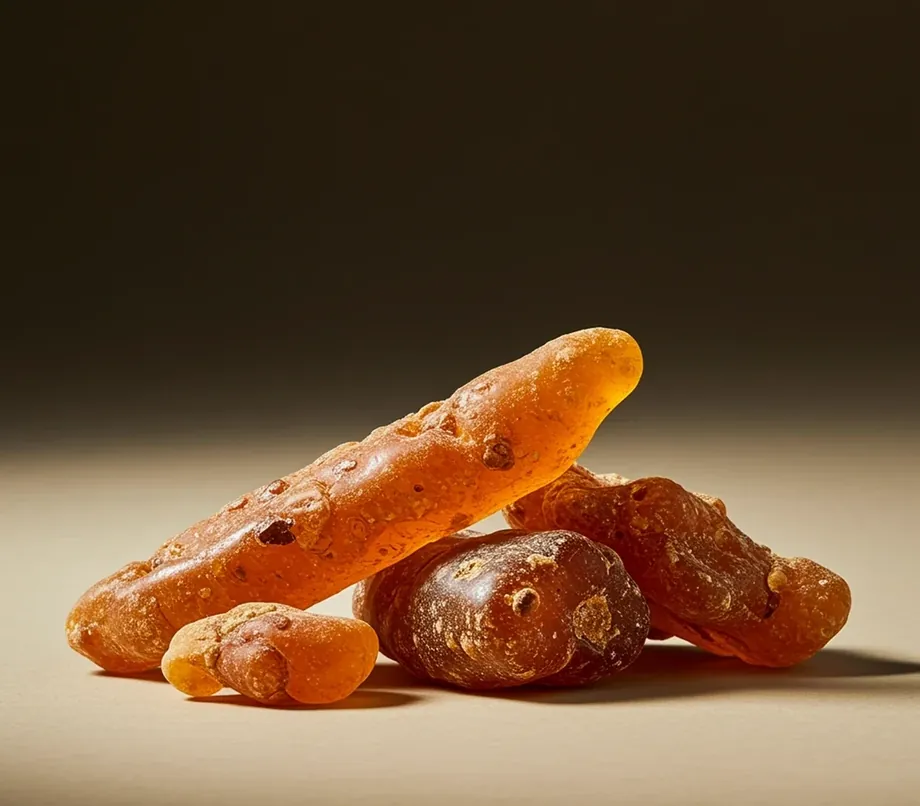
Boswellia is the one ingredient here whose amount, 133.3 mg, sits inside the range used in the research cited for it. A 2020 meta-analysis of seven trials found real pain and stiffness improvements at daily doses of roughly 100 to 250 mg. Yu et al., 2020 That is the strongest evidence case on this label.
There is still a catch. Every positive trial used extract standardized to a stated boswellic acid content, usually AKBA, and this label prints no such figure. Even standardized extract has limits: a 2023 trial found only modest relief from boswellia alone, well behind an omega-3 comparison product in the same study. López-Román et al., 2023 Without a standardization number, there is no way to know whether this 133.3 mg carries the strength the trials relied on.
Glucosamine and chondroitin: the two everyone recognizes
Both below the GAIT trial dose, and GAIT itself did not find a clear overall benefit.
Glucosamine sulfate is the largest line on the panel at 1,000 mg. Chondroitin sulfate, usually paired with it, is the smallest of the two at 100 mg. GAIT, a 1,583-patient, 24-week NIH trial, is the study most people mean by "glucosamine and chondroitin work." It used 1,500 mg a day of glucosamine hydrochloride and 1,200 mg a day of chondroitin sulfate, above both amounts here, and found no significant benefit over placebo overall. Clegg et al., 2006 A more severe-pain subgroup responded better, but the investigators flagged that as exploratory, and a two-year follow-up found none of the arms slowed joint damage on X-ray. Sawitzke et al., 2008 A separate Cochrane review of chondroitin found a modest benefit, mostly at 800 to 1,200 mg a day. Singh et al., 2015
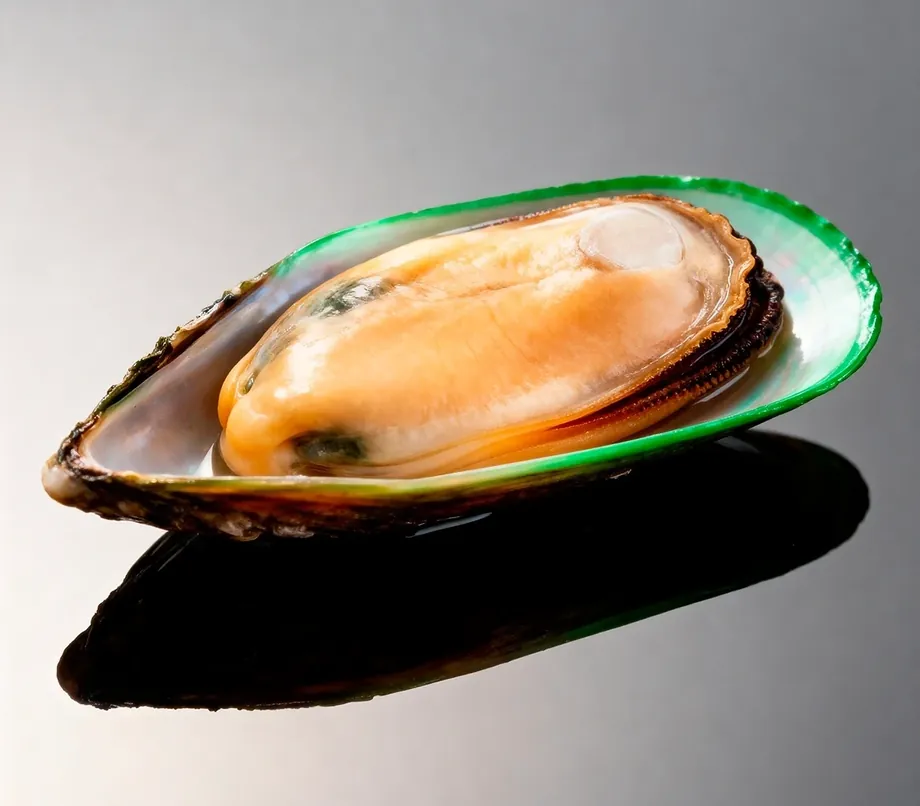
Contains: Crustacean shellfish (crayfish). Mayo Clinic notes shellfish-derived glucosamine can trigger a reaction in people with a shellfish allergy. Mayo et al., 2026 If that is you, this product is not for you, at any dose.
Glucosamine also has a documented warfarin interaction: one published case describes a patient's INR rising from 2.3 to 4.7 after starting an ordinary glucosamine-chondroitin dose. Knudsen et al., 2008 More detail is on the side effects page.
Turmeric root is not curcumin, and the math shows why it matters
One hundred milligrams of root works out to roughly a milligram or two of the compound the trials actually tested.
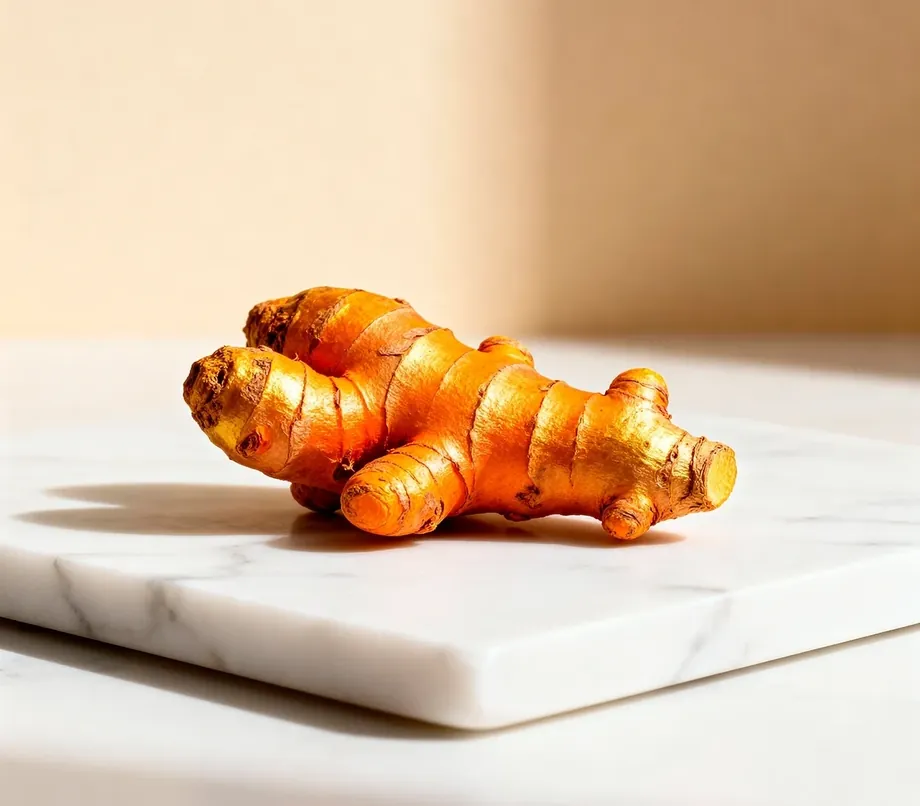
This is the trap that catches people who treat "turmeric" and "curcumin" as the same word. Curcumin is the compound researchers study for joint pain, and only a small slice of the whole root is curcumin: an analysis of nine commercial powders found it ranging from about 0.58% to 3.14% of dry weight. Tayyem et al., 2006 Apply even the high end to this label's 100 mg of root, and you land at roughly 3 mg of curcumin, against the 500 to 1,000 mg a day of curcumin itself that trials use to find a benefit. Wu et al., 2019 No rounding closes that gap.
Plain curcumin is also poorly absorbed: in one human trial, 2,000 mg alone produced barely detectable blood levels, while adding just 20 mg of piperine raised absorption by roughly 2,000 percent. Shoba et al., 1998 This label discloses no piperine or other enhancer.
Quercetin, methionine, MSM and bromelain: four ingredients, one small number
All four share this label's smallest printed amount, and none has a trial anywhere close to it.
Quercetin, methionine, MSM and bromelain all share this label's smallest printed amount, 16.7 mg each, and none has a joint trial anywhere near that dose.
Quercetin
A trial in women with rheumatoid arthritis used 500 mg a day and found less stiffness and lower inflammatory markers. Javadi et al., 2016 This label's amount is about a thirtieth of that.
Methionine
Most "methionine and joints" writing is really about SAMe, a related compound with its own inconsistent trial results. National Center for Complementary and Integrative Health (NCCIH), 2026 The one methionine trial used 1,500 mg a day and measured homocysteine, not joint pain. Ditscheid et al., 2005
MSM
A knee osteoarthritis trial used 3,375 mg a day and found small improvements the authors called of uncertain clinical significance. Debbi et al., 2011 This label's amount is about half a percent of that.
Bromelain
A pilot trial in moderate-to-severe knee osteoarthritis used 800 mg a day and found no benefit over placebo. Brien et al., 2006 This label supplies about 2% of a dose that already failed.
Before you take any of this, know who should not
One allergen is an absolute stop. Two interactions are a phone call first, not a reason to panic.
- Allergic to shellfish: do not take this product, at any dose
- Taking warfarin or another anticoagulant: check with whoever manages your dose first
- Pregnant, nursing, or under 18: not intended for you
- New fatigue, nausea, dark urine or yellowing skin while taking it: stop and get checked
What the label states outright
Do not exceed recommended dose. Not for use for those under the age of 18 or pregnant or nursing mothers. Consult with a physician prior to use especially if you are taking a medication or have a medical condition. Contains: Crustacean shellfish (crayfish).
Where to read the rest
Mechanisms: how it works. Interactions: side effects. Dosing: how to use.
Ingredients: common questions
Which ingredient in JointBrex matches its research dose?
Boswellia extract. This label supplies 133.3 mg, inside the roughly 100-250 mg a day used in the meta-analysis behind it. Yu et al., 2020 The catch: those trials used extract standardized to a boswellic acid content, and this label gives no such figure.
Is turmeric root the same thing as curcumin?
No. Curcumin is roughly 0.58% to 3.14% of dry turmeric powder. Tayyem et al., 2006 That is near 1 to 3 mg of curcumin in this label's 100 mg, against the 500 to 1,000 mg a day used in trials that found a benefit.
Does JointBrex contain shellfish?
Yes. Contains: Crustacean shellfish (crayfish). The glucosamine here is crayfish-derived. Anyone with a shellfish allergy should not take this product.
Is the methionine in JointBrex the same as SAMe?
No. Most joint-health writing about "methionine" is really describing SAMe, a compound the body makes from it. The osteoarthritis research on SAMe reports inconsistent results and does not evaluate methionine itself. National Center for Complementary and Integrative Health (NCCIH), 2026
What does the dagger symbol mean?
No Daily Value is established for that ingredient, so there is no official reference amount to compare it against. It does not mean the dose is adequate or inadequate.
Does 16.7 mg of quercetin do anything for joint pain?
No trial evidence exists at that dose. The one relevant trial used 500 mg a day, about thirty times this amount, and found reduced stiffness at that higher dose. Javadi et al., 2016
Keep reading
What's actually printed on the panel
The full Supplement Facts panel, transcribed line by line, plus the six-versus-eight artwork mismatch.
Read →How each ingredient is proposed to work
Cartilage substrate, enzyme pathways and antioxidant activity, written as proposals, not proven outcomes.
Read →What's documented for each ingredient
GI upset, the warfarin interaction, turmeric's liver signal, and the shellfish allergy that rules some people out.
Read →Order JointBrex from the authorized retailer
60 servings per bottle, 1 to 2 droppers a day. Kits of 2, 3 or 6 bottles run from $49 a bottle on the sales page, with a 60-day money-back guarantee. Questions first? Call +1 (302) 200-3480.