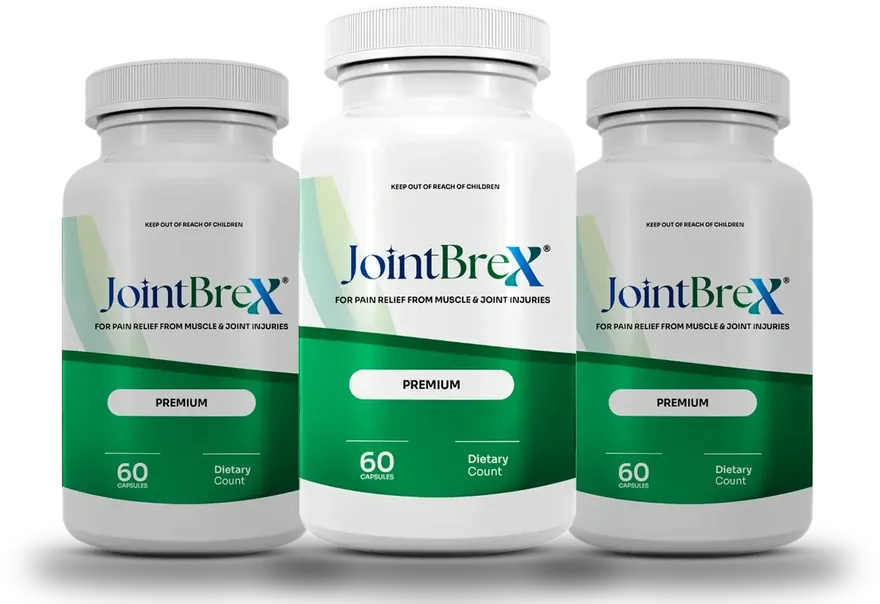
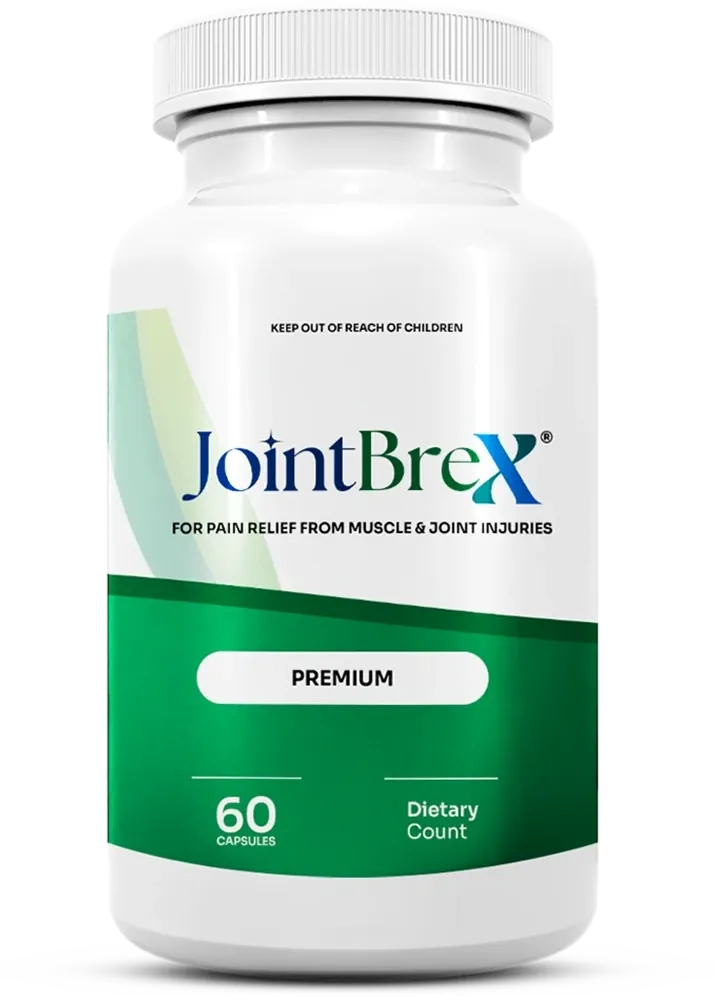
JointBrex Results Timeline: How to Plan a Fair Trial
JointBrex has no fixed results date, but its ingredient trials ran 4 to 24 weeks.
A fair personal trial starts with a written baseline and a set length. Plan it around the refund terms, which close at about 30 days in practice.
Read the refund terms before you start.
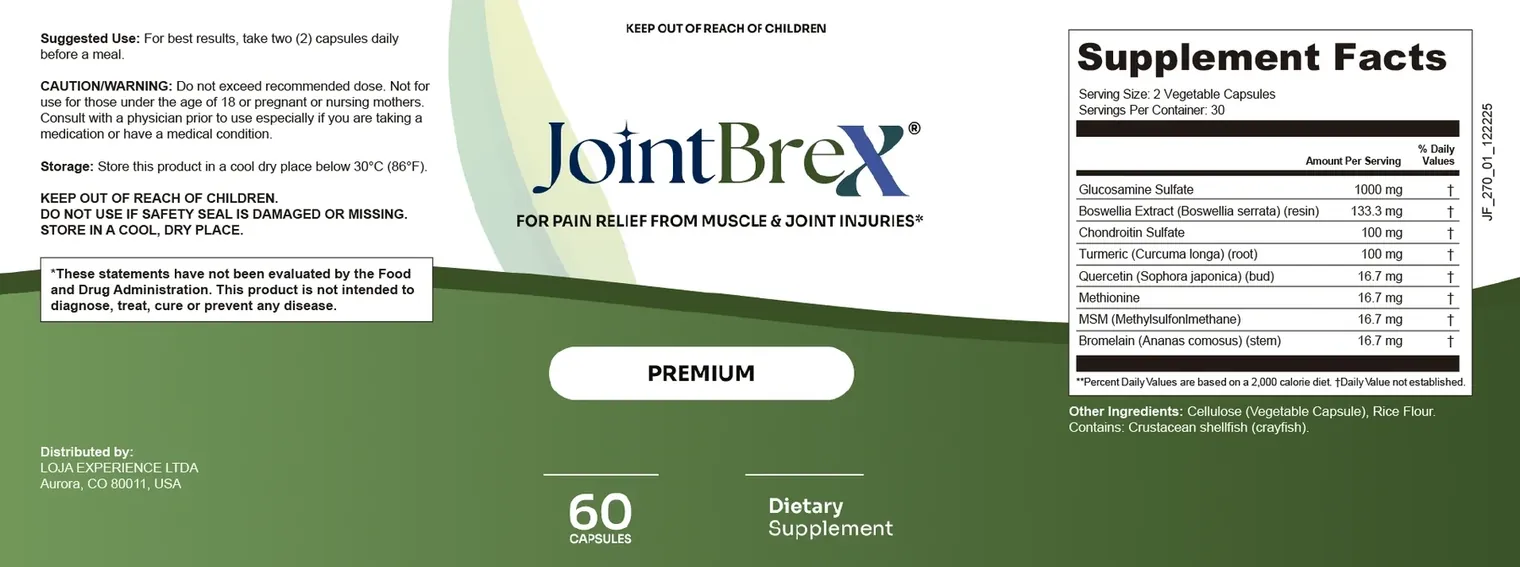
Why nobody can give you a timeline at this dose
A timeline comes from a trial. No trial has tested this formula at this dose, so there is no timeline to quote.
People asking "how long until this works" usually want a number: two weeks, six weeks, a month. The honest answer for this specific bottle, at these specific amounts, is that nobody can give you one, and saying so is not a dodge. A timeline has to come from a trial that tested this dose for a stated length of time and measured what happened. No trial has tested this eight-ingredient formula at these amounts, at any length of time, so there is no number to hand you. What follows instead is the timeline the underlying research actually ran on, and what a fair personal trial of your own would need to look like given that gap.
How long the actual research ran, and at what dose
Every timeline anyone quotes for these ingredients comes from one of these rows. None of them used this label's amounts.
| Trial | Duration | Dose used | What it found |
|---|---|---|---|
| GAIT (glucosamine + chondroitin) | 24 weeks | 1,500 mg/day glucosamine, 1,200 mg/day chondroitin | No significant benefit over placebo overall. Clegg et al., 2006 |
| Boswellia meta-analysis | From 4 weeks, trials up to several months | 100–250 mg/day, standardized extract | Real improvement over placebo, at a standardized dose this label does not confirm. Yu et al., 2020 |
| Boswellia vs. omega-3 trial | 8 weeks | Extract standardized to 12.5% active content | Only modest pain reduction from boswellia alone. López-Román et al., 2023 |
| Curcumin meta-analysis | 4–12 weeks | 500–1,000 mg/day curcumin | Significant improvement over placebo. Wu et al., 2019 |
| Quercetin trial | 8 weeks | 500 mg/day | Less stiffness, lower inflammatory markers. Javadi et al., 2016 |
| MSM knee trial | 12 weeks | 3,375 mg/day | Small improvement the authors called of uncertain clinical significance. Debbi et al., 2011 |
| Bromelain pilot trial | 12 weeks, plus 4 weeks' follow-up | 800 mg/day | No significant benefit over placebo. Brien et al., 2006 |
Two things stand out. First, every trial ran for weeks, not days: the shortest is 4 weeks, the longest 24. Second, most of these used doses well above what this label prints, and the largest and best-known trial, at a higher dose than either headline ingredient here, still did not beat placebo. A supplement dosed below the trial and run for less time than the trial has two separate reasons to disappoint, not one.
The full milligram-by-milligram gap behind each row is on the dose chart. This page only needs the duration column: even setting the dose gap aside entirely and assuming this label's amounts worked exactly as well as the higher doses above, none of the underlying research suggests an effect inside the first few weeks.
What a fair personal trial actually needs to look like
Built from the durations in the table above, not from a marketing promise.
- Before day 1
Write down where you actually are
Not a feeling. A number or two: how many stairs before your knee complains, how far you walk before stiffness sets in, how long morning stiffness lasts. This baseline is the only thing that makes week 8 or week 12 mean anything at all.
- Weeks 1–2
Expect nothing measurable yet, and do not check every day
No trial cited on this site found a benefit inside the first two weeks. Checking daily mostly measures day-to-day noise in how a joint feels, not a trend.
- Weeks 4–8
The earliest point any cited trial found a result
The quickest positive signal in the trials above showed up around 4 weeks, for a standardized boswellia extract at a dose this label may or may not match. Most other positive findings took 8 to 12 weeks.
- Weeks 12–24
Where the largest and longest trials actually land
GAIT ran 24 weeks at higher doses than this label and still did not separate from placebo overall. A trial shorter than 12 weeks is shorter than most of the research it is trying to informally repeat.
What to measure before you take the first capsule
Pick a number, not a feeling, and write it down before you start.
A fair trial needs something to compare against, decided before you start, not reconstructed from memory afterward. Pick two or three of these and write the number down before the first capsule.
A specific movement, not a feeling
How many stairs, how far a walk, how long you can stand at a counter before stiffness or discomfort changes what you're doing. A number is harder to talk yourself into than a vague sense of "a bit better."Morning stiffness, timed
How many minutes from waking until a joint moves normally. This is also one of the red-flag measures worth tracking on its own, since stiffness lasting over an hour is a sign for a clinician, not a supplement question.A short weekly note, not a daily one
Two or three words, once a week, on the same day. Daily notes mostly capture noise; weekly ones are more likely to show a real trend if one exists.What else changed
New exercise, a lost or gained few pounds, a change in footwear, a different job task. If any of these shift during your trial, a change in how the joint feels may belong to them, not the capsule.
Why self-assessed joint pain is so easy to get wrong
Two ordinary statistical effects, both pushing toward reporting improvement whether or not anything changed.

Why your own impression is the hardest evidence to trust
Joint pain moves on its own. It is worse in some weeks than others for reasons nobody can see, and people tend to start a supplement during a bad stretch. A bad stretch is, by definition, more likely to be followed by a better one whether or not anything was taken. That is regression to the mean, and it is the single largest source of false positives in self-assessed pain.
Add the placebo effect, which is unusually strong for pain, and the expectation created by having paid for something, and you have three forces all pushing the same way. Writing a number down before you start is the only cheap defence against all three.
Self-assessed joint pain is one of the least reliable things to track informally, for two reasons that have nothing to do with whether a supplement works.
The placebo effect is real and measured
In GAIT, roughly 60% of the placebo group hit the trial's own 20%-pain-reduction response threshold, on an inert pill. Clegg et al., 2006 That is not a flaw in the trial. It is the reason a control group exists: people who start paying closer attention to a joint, and expect it to feel different, often report that it does, independent of anything in the capsule.
Regression to the mean works against you the same way
People tend to start a new supplement on a bad week, because a bad week is what prompts the decision to try something. Joint pain naturally has good stretches and bad ones. A bad week is statistically likely to be followed by a more ordinary one, supplement or not, which can look exactly like improvement even when nothing you took caused it.
Both effects push in the same direction: toward reporting improvement whether or not the capsule did anything. That is exactly why the trials in the table above used a placebo arm rather than trusting participants' own before-and-after impressions, and it is exactly why an informal personal trial without a written baseline is the least reliable version of this test you could run.
Neither effect is a reason to distrust your own judgment generally. They are specific, well-documented statistical patterns that apply to nearly any self-tracked symptom, not a flaw unique to people who try supplements. A written baseline and a fixed comparison point do not eliminate either effect, but they make it far easier to notice when a change is more likely to be real than a coincidence of timing.
The comparison worth keeping in mind: what the guideline recommends has a timeline too
Exercise and weight management have their own timelines, and guideline bodies rank them ahead of any supplement here.
It is worth noticing that the intervention osteoarthritis guidelines actually put first does not have this problem. Exercise-based programs and structured self-management report improvement on a similarly ranged timeline, often within a few weeks of starting, and they carry the guideline's strong recommendation rather than a conditional one against them. American et al., 2020 Weight management works on its own separate timeline tied to the amount lost rather than the number of weeks elapsed, and a companion summary notes a 5% reduction produces a meaningful improvement in knee and hip pain on its own. Buelt et al., 2021 Neither of those is a reason to skip a supplement trial if you want to run one, but they are a reason not to let a capsule's vague, undefined timeline stand in for the better-supported one sitting right next to it. See who it's for for how the two are meant to sit side by side rather than compete.
The trial length that makes sense collides with the refund window
A fair trial runs 8 to 24 weeks by the cited research. The real refund window runs about a month.
Here is where the honest trial length runs straight into a business fact that has nothing to do with biology. A fair trial of any of these ingredients, based on the table above, runs somewhere from 8 to 24 weeks. The guarantee on this product runs 60 days from the purchase date, and published listings also require a minimum of 30 days of consistent use before a refund request is even accepted. Do the subtraction in words rather than a chart: that leaves a real decision window of about a month, not two.
| In weeks | In days | |
|---|---|---|
| Shortest cited trial (boswellia meta-analysis, earliest signal) | about 4 weeks | about 28 days |
| Most common cited trial length | 8 to 12 weeks | about 56 to 84 days |
| Longest cited trial (GAIT) | 24 weeks | about 168 days |
| This product's real refund window | roughly 4 weeks | about 30 days |
A month is close to the earliest point any cited trial found a measurable result, and far short of where most of them landed. If you want to give this a fair, evidence-length trial, you will very likely be doing it after the window to ask for your money back has already closed. That is worth knowing before you choose a kit size, not after.
This is not a reason to panic about the guarantee, and it is not an accusation that the terms are secret: both figures are published. It is a mismatch between a sensible trial length and a purchase policy, and the only way to manage it is to decide, before you buy, whether a shorter real-world trial is acceptable to you or whether you would rather treat the purchase as final either way.
Kit size makes this sharper, not simpler. A single bottle covers 30 days, which is roughly the real refund window itself, so the bottle and the decision window run out at close to the same time. A six-bottle kit covers 180 days, matching the longest cited trial almost exactly, but the refund window on it closes long before four of those six bottles are even opened. Buying more bottles buys more capsules. It does not buy more time to ask for a refund.
Results Timeline: common questions
How long does JointBrex take to work?
Nobody can answer that honestly, because no trial has tested this specific eight-ingredient formula at these amounts, at any length of time. The closest evidence comes from separate trials of each ingredient, mostly at higher doses, running 4 to 24 weeks.
What is the shortest trial length behind any ingredient in JointBrex?
About 4 weeks, for the earliest boswellia signal in a meta-analysis of standardized extract. Yu et al., 2020 Most other positive findings for other ingredients took 8 to 12 weeks or longer.
Did the biggest trial of glucosamine and chondroitin find a benefit?
Not overall. GAIT ran 1,583 people for 24 weeks at 1,500 mg/day glucosamine and 1,200 mg/day chondroitin — both above this label's amounts — and found no significant benefit over placebo for the group as a whole. Clegg et al., 2006
What should I measure before I start taking it?
A specific movement (stairs, walking distance), timed morning stiffness, and a short weekly note, not a daily one. Write the starting numbers down before the first capsule, or there is nothing honest to compare against later.
Why is self-reported joint pain hard to trust without a placebo group?
Two ordinary effects push toward reporting improvement regardless of what you took: the placebo effect itself, and regression to the mean, since people often start a supplement during a worse-than-average week that was likely to improve on its own.
How does the refund window compare to a fair trial length?
The guarantee runs 60 days from purchase, but published listings require 30 days of consistent use first, leaving roughly a month to decide. Cited trials for these ingredients mostly ran 8 to 24 weeks, well past that window.
Should I buy the six-bottle kit to give it a full trial?
Only if you have decided in advance that you are comfortable treating the purchase as final if it doesn't work, since a genuinely fair trial length runs past the real refund window regardless of kit size.
Is there any dose of these ingredients with a proven fast timeline?
No. Even at the higher, properly studied doses, the fastest reported signal in any trial cited here was around 4 weeks, and the largest, longest trial of the two best-known ingredients did not find a benefit at all.
Keep reading
What can honestly be claimed for it
The studied use and dose caveat for every ingredient, and the claims no trial actually supports.
Read →Who this is, and is not, a reasonable fit for
Age, allergy, anticoagulant use, and the red-flag signs that belong with a doctor, not a bottle.
Read →The dose gap behind every one of these trial lengths
Every ingredient's amount here, charted against the dose the cited research actually used.
Read →Order JointBrex from the authorized retailer
60 servings per bottle, 1 to 2 droppers a day. Kits of 2, 3 or 6 bottles run from $49 a bottle on the sales page, with a 60-day money-back guarantee. Questions first? Call +1 (302) 200-3480.