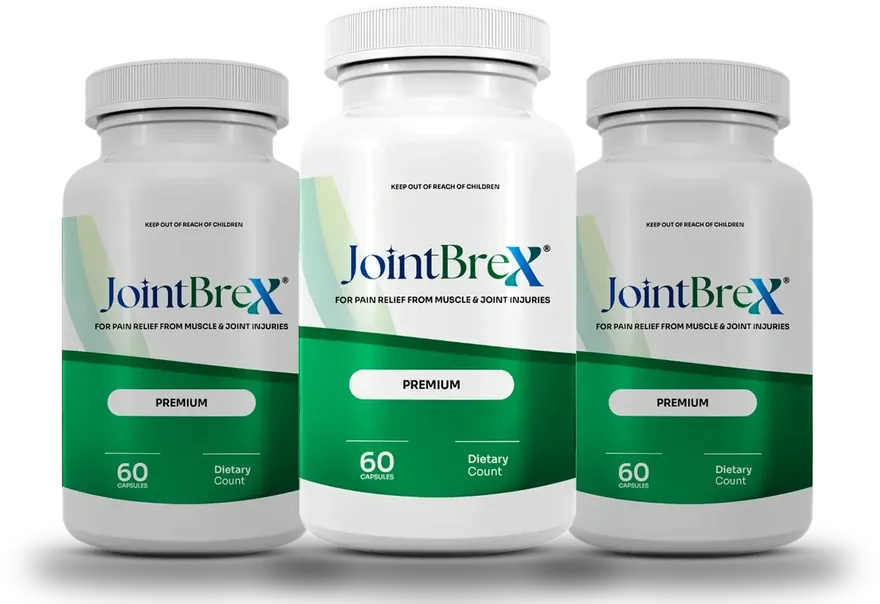
Who Is JointBrex For, and Who Should Pass
JointBrex may fit an adult with mild everyday stiffness who already exercises.
It is not for anyone under 18, pregnant or nursing, allergic to shellfish or taking warfarin. See a doctor instead for injury pain, a hot or swollen joint, or fever.
Check the ingredients before you order.

A fit question, not a does-it-work question
Whether this is worth trying depends less on your pain than on a short list of facts about you.
Most pages about a supplement ask whether it works. This one asks a narrower, more answerable question: given everything this label actually contains and everything it does not, who is a sensible person to try it, and who should put the bottle back on the shelf? The two lists below are not about willpower or how much pain someone is in. They are about a handful of specific, checkable facts: your age, an allergy, a medication, and whether the bigger, better-supported changes are already part of your routine.
Who this is plausibly a reasonable thing to try
Seven specific conditions, all of them checkable facts about your situation, not a feeling about your pain.
- An adult, 18 or older
- Mild, everyday joint stiffness rather than a new injury or a diagnosed inflammatory condition
- Already doing the things a guideline actually recommends first: regular movement, and weight management if that applies to you
- No shellfish allergy
- Not taking warfarin or any other anticoagulant
- Comfortable trying a capsule with no controlled trial at this exact dose, and no promise it will do anything measurable
- Willing to set a defined trial period and watch for the red-flag signs below, rather than take it indefinitely without checking in
"Already got the big things in hand" is doing real work here
The 2019 ACR and Arthritis Foundation osteoarthritis guideline puts exercise and weight management, where relevant, ahead of every supplement it reviewed, including this one's headline ingredients. American et al., 2020 A reasonable candidate for this bottle is someone who has that part covered already and is looking at a capsule as an addition, not a replacement.
Understanding the dose gap is part of being a fit
Seven of the eight ingredients on this label arrive under the dose used in the research cited for them. Someone who tries this without knowing that is not making an informed choice, whatever else about them fits. The dose chart and the benefits page lay out exactly what that gap looks like, ingredient by ingredient.
The same lists, as a sequence of questions
Same facts, ordered so the questions that end things fastest come first.
The two lists above are the same information laid out as a short, sequential check instead. Work down it in order; several of the early questions end the process on their own.
| Question | If yes | If no |
|---|---|---|
| Are you 18 or older? | Continue to the next question. | Stop here. This product is not intended for anyone under 18. |
| Are you pregnant or nursing? | Stop here. The label states this product is not intended for pregnant or nursing women. | Continue to the next question. |
| Do you have a shellfish allergy? | Stop here, regardless of how the rest of this list applies to you. | Continue to the next question. |
| Do you take warfarin or another anticoagulant? | Talk to whoever manages that medication before you take a single capsule. | Continue to the next question. |
| Do any of the red-flag signs below apply to your pain right now? | See a clinician this week. A capsule is the wrong next step. | Continue to the next question. |
| Are exercise and weight management, where relevant, already part of your routine? | You match the profile this page treats as a plausible fit. | Consider starting there first — it has the stronger evidence, and it costs nothing. |
| Do you understand there is no trial of this exact formula at this exact dose? | You are making an informed choice either way. | Read the dose chart linked above before you decide. |
Who this is clearly not for
Six situations where the answer is no, or at minimum a conversation before the first capsule, not after.
- Anyone under 18
- Anyone pregnant or nursing
- Anyone with a shellfish allergy, at any dose
- Anyone on warfarin or another anticoagulant, without checking with whoever manages that medication first
- Anyone with a red-flag sign, listed in full below, that belongs in a clinic rather than a shopping cart
- Anyone looking for this to replace exercise or weight management rather than sit alongside them
Contains: Crustacean shellfish (crayfish). The glucosamine in this formula is crayfish-derived, and Mayo Clinic states plainly that shellfish-derived glucosamine can trigger a reaction in someone with a shellfish allergy. Mayo et al., 2026 Every other line on this page is a "check first." This one is a flat no, regardless of how mild the stiffness is or how well the rest of this list fits.
The warfarin line deserves the same weight, for a different reason: the risk is not obvious from how you feel. A published case describes a man stable on warfarin for five years whose INR rose from 2.3 to 4.7 after an ordinary glucosamine-chondroitin dose, with no symptom warning him something had changed before a blood test caught it. Knudsen et al., 2008 If you take an anticoagulant, that "check first" is not optional caution. It is the entire point of the warning.
Pregnancy and nursing sit on the label's own caution statement without a research citation attached to either, and that absence is worth noticing rather than glossing over. The honest reading is that this combination has not been studied in pregnancy or nursing, not that it was studied and cleared. A lack of data is its own reason to avoid something in that situation, and the label treats it that way without needing a trial to justify the caution.
The under-18 exclusion follows similar logic. None of the sources behind this site describe dosing or safety testing of any of these eight ingredients in a pediatric population. There is only an adult dose here, and that adult dose is itself below most of the trial amounts. The label's instruction reflects a real gap in the evidence rather than inventing a caution it does not need.
The signs that mean a clinic, not a capsule, this week
These are about what the pain is doing, not about who you are. Any one of them changes the answer.
A red-flag sign is different again from an allergy or a medication: it is not about who you are, it is about what the pain itself is doing right now. Mayo Clinic's own patient guidance draws a clear line between joint pain that can reasonably be managed at home and joint pain that needs a clinician's eyes on it before anything else, including a supplement. Mayo et al., 2026
- Pain that started with a fall, a twist, or any other specific injury
- A joint that looks visibly out of shape, is hot or red, or will not bear weight at all
- Sudden, severe swelling in a joint
- Joint pain together with a fever, or with unexplained weight loss
- Pain severe enough to wake you at night, or that has not settled after a couple of weeks
- Morning stiffness lasting more than an hour, especially across several joints at once
Any one of those belongs with a clinician, not with this page. This bottle's own front panel claims relief "from muscle & joint injuries," which is exactly backwards for the first item on that list: a supplement is the wrong first move for injury pain, not the obvious one, because a supplement cannot tell a strain from a tear from something that needs an X-ray.
What actually comes first, according to the guideline
Exercise and weight management have the guideline's strongest recommendation. This capsule does not.

The thing that is strongly recommended is free
It is worth sitting with the shape of the guideline for a second. Exercise, weight management where it applies, and a structured self-management programme are the strong recommendations. Glucosamine and chondroitin are conditionally recommended against. That is not a close call dressed up in cautious language; it is the opposite ranking to the one the supplement aisle implies.
None of which makes a capsule pointless. It makes it an addition to something, rather than the something. If the walking and the strength work are not happening yet, that is where the evidence says the first effort goes.
It is worth being explicit about what actually sits at the top of evidence-based osteoarthritis care, because a joint-supplement sales page has no reason to volunteer it. The 2019 ACR and Arthritis Foundation guideline strongly recommends exercise for almost all patients with osteoarthritis, along with structured self-management programs and, where it applies, weight loss. American et al., 2020 A physician summary of the same guideline states that a body-weight reduction of just 5% produces a meaningful improvement in knee and hip pain on its own. Buelt et al., 2021 Neither of those is sold in a bottle, and neither is optional groundwork that a capsule can skip past.
The same physician summary is specific about why the guideline leans against glucosamine and chondroitin: it says treatment "does not improve knee and hip OA in studies without industry funding," naming funding source as a reason to weigh the more favorable trial literature with some skepticism. Buelt et al., 2021 That is not an accusation about this specific product, which nobody has funded a trial of at all. It is context for how the wider glucosamine and chondroitin research base should be read before assuming a modest positive trial settles the question.
| What the guideline strongly recommends | What this product is | |
|---|---|---|
| Category | Exercise, weight management, structured self-management | A dietary supplement |
| Evidence behind it | Strong, across multiple guideline bodies | Mixed at best, and mostly at doses this label does not reach |
| Guideline's own position on glucosamine/chondroitin | Conditionally recommends against | Not applicable — this is what's being recommended against |
If you fit the plausible-fit list above, that means trying a capsule alongside the exercise and weight-management side of things, not instead of it. A supplement that quietly replaces the better-supported habit is a worse outcome than a supplement that does nothing at all.
If you fit, here is a sensible way to go about it
Fitting the list is a starting point, not a finish line. Three things worth doing before the first capsule.
If you have read both lists above and you land in the "plausible fit" column, here is what a reasonable next step actually looks like, rather than just adding a bottle to a cart. None of the three steps below takes more than a few minutes, and all three change how useful your own experience of the next several weeks turns out to be, whether the answer ends up being a modest improvement or nothing at all.
Rule out the red flags first
Not as a formality. If any of the signs above apply to you right now, see a clinician before you see a checkout page. A supplement cannot tell a strain from a tear from early osteoarthritis, and starting one does not answer that question, it just delays asking it.
Decide what a trial means before you start
What you are measuring, for how long, and what result would actually change your mind. The results timeline page covers why this step matters more than it seems to, including the placebo problem that makes an undefined trial almost impossible to read honestly afterward.
Keep doing the things that actually help
Exercise and weight management do not pause while you try a supplement. They are the part of this with real evidence behind them, and a capsule that seems to help is not a reason to quietly drop either one.
None of this is complicated, and none of it requires waiting for a doctor's appointment if nothing on the "clearly not for" or red-flag lists applies to you. It is simply the difference between trying something and noticing what actually happened, versus trying something and guessing afterward.
Who It's For: common questions
Is JointBrex safe for someone with a shellfish allergy?
No. Contains: Crustacean shellfish (crayfish). The glucosamine is crayfish-derived, and this is an absolute exclusion, not a dose question. Anyone with a shellfish allergy should not take this product at all.
Can I take JointBrex with warfarin?
Not without checking first. Glucosamine has a published case report of raising INR in a patient stable on warfarin for years, from 2.3 to 4.7. Knudsen et al., 2008 Speak to whoever manages your anticoagulant dose before starting.
Is JointBrex appropriate for a new injury?
No. New, injury-related joint pain, especially with visible swelling or an inability to bear weight, needs a clinician's assessment, not a supplement. Mayo et al., 2026
What age is JointBrex meant for?
Adults 18 and older. The label states it is not for anyone under 18, and not for anyone pregnant or nursing.
Does JointBrex replace exercise or weight loss for joint pain?
No, and it should not be used that way. The osteoarthritis guideline strongly recommends exercise and, where relevant, weight management, and conditionally recommends against the two headline ingredients on this label. American et al., 2020
What counts as a red flag that means I should see a doctor instead?
Injury-related pain, a joint that is hot, red or visibly swollen, pain with fever or unexplained weight loss, pain that wakes you at night, and morning stiffness over an hour in several joints. Any one of these is worth a clinic visit before a supplement.
Is there a trial that proves this exact dose works for someone like me?
No. No controlled trial has tested this specific eight-ingredient formula at these amounts in any population. Being a reasonable fit for trying it means accepting that gap going in, not assuming it has been filled.
If I'm a good fit, how should I actually try it?
Rule out the red-flag signs first, decide what you are measuring and for how long before you start, and keep up whatever exercise or weight-management routine you already have. See results timeline for how to set that up.
Keep reading
What can honestly be claimed for it
Every ingredient's studied use, its dose caveat, and the claims the sales page makes that no trial supports.
Read →How long a fair trial actually takes
Why nobody can give you a timeline at these doses, and how that collides with the refund window.
Read →What's documented, ingredient by ingredient
The warfarin interaction, the shellfish allergy, turmeric's liver signal, and who should not take this.
Read →Order JointBrex from the authorized retailer
60 servings per bottle, 1 to 2 droppers a day. Kits of 2, 3 or 6 bottles run from $49 a bottle on the sales page, with a 60-day money-back guarantee. Questions first? Call +1 (302) 200-3480.