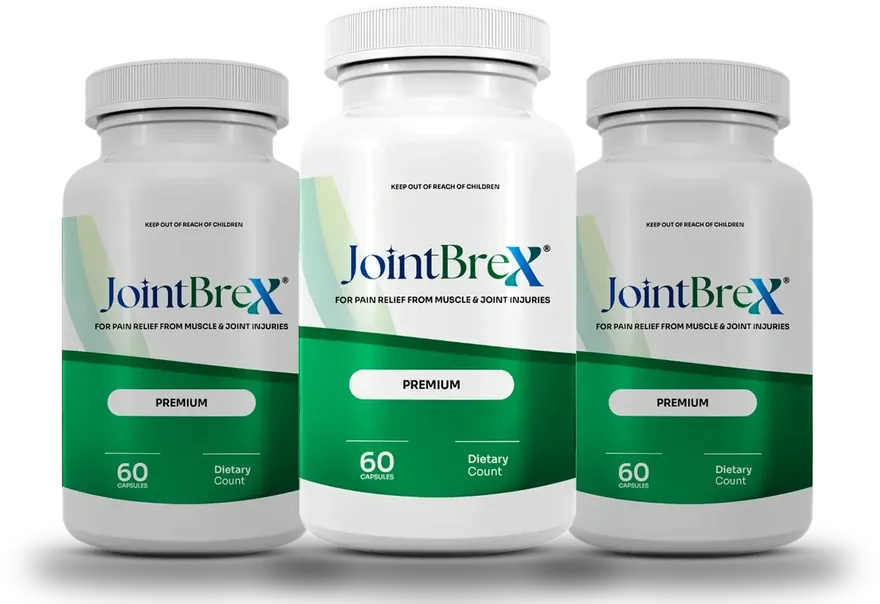
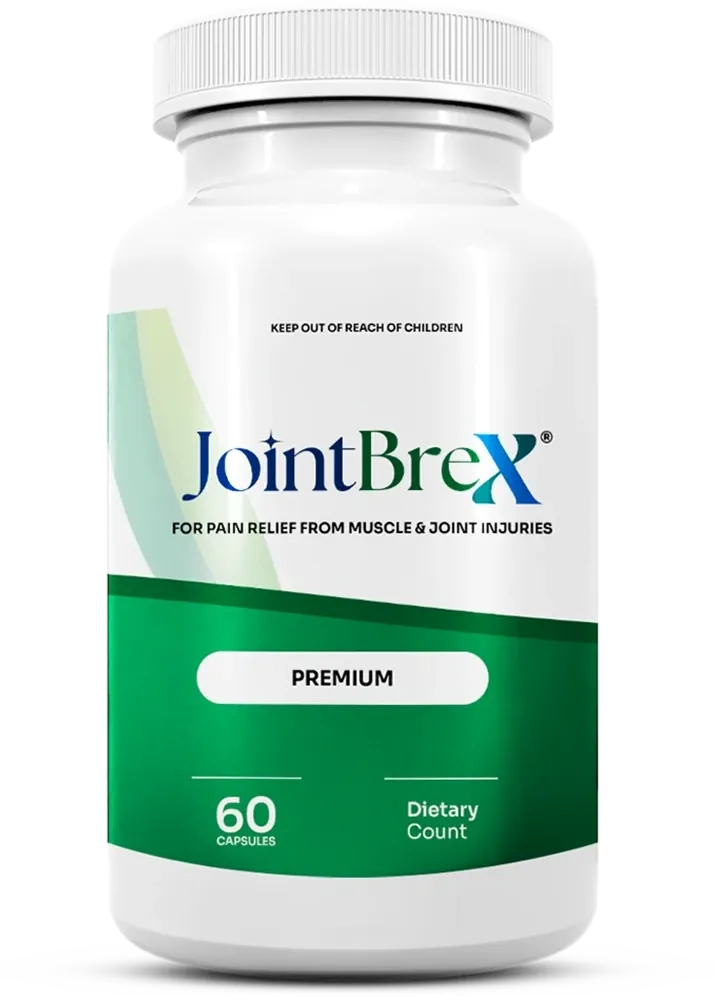
JointBrex Batch Verification
Lot JOI-26/JO-1519 and CoA reference JOI-1519-26-JO are draft references, not lab proof. A real certificate of analysis names an independent lab and a test date, and reports identity, potency, heavy metals and microbial results. If your bottle's lot differs from this reference, contact the order desk with photos before assuming anything is wrong.
Two reference codes, and what they actually are
Lot JOI-26/JO-1519 and CoA reference JOI-1519-26-JO are draft references, not lab proof.
Two reference codes are printed for this product: a lot number, JOI-26/JO-1519, and a certificate-of-analysis reference, JOI-1519-26-JO. Both look precise, both look official, and neither is lab proof of anything. They are draft references we were given to publish, not documents we have independently verified against a laboratory report, and this page says so plainly rather than letting the codes imply more than they can support.
Copy the lot number above if you need to quote it to the order desk while checking your own bottle against it.
What a lot number is actually for
A lot number's real job is narrow and useful: it ties a specific bottle to a specific production run, so that if a problem turns up in that run, everyone with a bottle from it can be identified and reached. That is genuinely valuable, and it is why the number exists on packaged goods generally, not just supplements.
What a lot number can do
Identify which production run a specific bottle came from, so a manufacturer, distributor or retailer can trace a batch if a defect, contamination event or recall comes up later.
What a lot number cannot do
Prove anything about what is actually inside the bottle. A lot number by itself says nothing about potency, purity, or whether the amounts on the panel match what was tested. That proof, if it exists, lives in a separate document: a certificate of analysis.
One document you can check yourself, and one you can't
There is a useful distinction buried in this page, and it is worth stating plainly: a printed panel is something anyone can read and compare directly, which is why the ingredients page transcribes it in full. A lot number or CoA reference is different in kind — it is a pointer to a document that may or may not exist in a form anyone outside the company has actually seen. This page is about that second, harder-to-verify category.
That is also why comparing your own bottle's panel against the one published here is a more useful first check than worrying about the lot number alone. A panel mismatch is something you can see with your own eyes right now. A lot or CoA mismatch requires someone else's records to resolve.
What a real certificate of analysis actually contains
Identity, potency, heavy metals, microbials, and the lab's name and date. A code alone is none of these.
A genuine third-party certificate of analysis is a specific kind of document, produced by an independent testing lab, not by the brand selling the product. A real one names the lab and the date the testing was done, and it reports results against the label's own claims, not just a general pass.
| What a real CoA includes | What it tells you |
|---|---|
| Identity testing | Confirms the ingredients present are actually what the label says they are, not a substitute or filler |
| Potency testing | Confirms how much of each active ingredient is actually in the product, checked against the labeled amount |
| Heavy metals screening | Checks for lead, arsenic, cadmium and mercury against safety limits |
| Microbial testing | Checks for bacteria, yeast, mold and pathogens that shouldn't be present |
| The lab's name and the test date | Lets you verify the lab is real, independent, and that the test wasn't performed years before the bottle you're holding |
Neither the lot number nor the CoA reference published for this product is accompanied by a document that shows all five of those. We have asked and will publish it here if one is provided. Until then, both codes should be read as references, not as proof any of the five items above has actually been checked for this product.
Why we call these 'draft references' instead of proof
Calling these codes "draft references" rather than "fake" or "meaningless" is a deliberate choice. A draft reference can be entirely accurate and still not be lab proof, the same way a placeholder invoice number can be entirely real and still not be a receipt. We were given JOI-26/JO-1519 and JOI-1519-26-JO to publish, and we are publishing them exactly as given, with the caveat attached that neither has been independently confirmed against an actual laboratory report we have seen ourselves.
Plenty of legitimate products go through a period where the marketing reference number exists before the underlying paperwork is fully public, or where a retailer pack is printed before a lab report is finalized and attached to it. That is an ordinary supply-chain gap, not evidence of wrongdoing. The honest response to a gap like this is to name it, not to guess at what fills it.
Why this gap matters for supplements specifically
This gap is not unique to JointBrex. Dietary supplements sold in the US are not required to undergo independent, pre-market lab testing the way a prescription drug is, and enforcement against a specific brand's unsubstantiated claims tends to happen after the fact, when a regulator investigates a specific complaint, rather than as a routine check before every product reaches a shelf. That regulatory gap is part of why third-party certificates of analysis matter as much as they do: for many supplements, a CoA is the only independent check that ever happens on the specific batch you are holding, and when one is not published, there may not be one to publish.
None of that is a claim that this specific product has a quality problem. It is context for why "draft reference, not lab proof" is a meaningful distinction rather than a technicality, and why this page treats the two reference codes with the same caution it applies to the front-panel claim covered elsewhere on this site.
What to do if your bottle's lot number is different
If the lot number printed on your bottle is different from JOI-26/JO-1519, that is not automatically alarming. Production runs change over time, and a reference published on one date may simply predate the run your specific bottle came from. It is, however, worth acting on rather than ignoring.
Don't assume the worst, and don't assume it's fine
A different lot number is a normal thing to see across bottles bought at different times. It is also exactly the kind of detail worth double-checking rather than shrugging off.Photograph your bottle's lot number and the Supplement Facts panel
Do this before opening the bottle if possible, and before discarding any packaging.Contact the order desk at +1 (302) 200-3480
Give them your order ID and ask specifically about the lot number on your bottle compared with what's published. They have visibility into production runs that this site does not.Compare the panel itself, not just the lot number
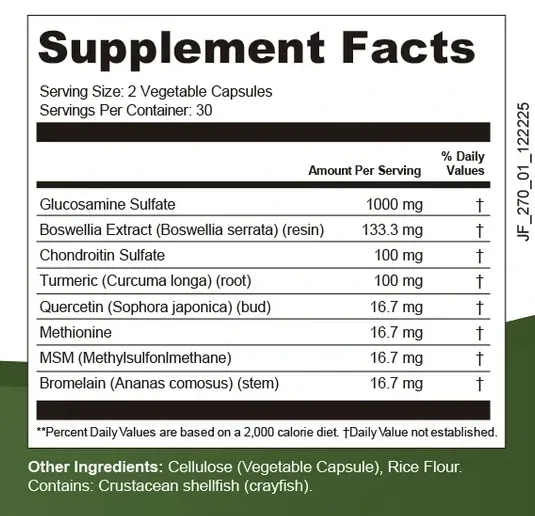
Check that every ingredient name and amount on your bottle matches the panel transcribed on the ingredients page. A lot mismatch with an identical panel is a much smaller concern than a lot mismatch with a different panel.
Why a mismatch is worth the phone call, even if nothing is wrong
A mismatch is worth a phone call for a reason that has nothing to do with assuming the worst about this specific product: it is the only situation where the lot number is actually doing its job. If a bottle is ever found to have a genuine problem, from a mislabeled ingredient to a contamination issue, the lot number is how that problem gets contained to the right production run instead of spreading uncertainty across every bottle ever sold. Checking a mismatch when you notice one is what keeps that system meaningful, rather than a code nobody ever looks at twice.
It is also, practically, the fastest way to find out whether a reference on this page is out of date. If the order desk confirms your different lot number is simply a newer production run, the fix here is easy: we update the published reference to match. That has not happened yet only because nobody has reported a mismatch to check against.
How to report a genuine problem
The order desk fixes your order. A regulatory report is a different, slower kind of accountability.
If something about a bottle looks genuinely wrong, not just a different lot number but a damaged seal, an unusual smell or texture, or a Supplement Facts panel that does not match what this site publishes, that is worth reporting through two separate channels, because they serve two different purposes.
Report it to the order desk
+1 (302) 200-3480 or [email protected], with your order ID and photos. This is how a specific problem with a specific order gets addressed, including a possible refund or replacement.
Consider reporting it to the FDA
The FDA's MedWatch program takes voluntary reports of suspected supplement quality problems and adverse events. It will not resolve your individual order, but reports like this are part of how a genuine pattern with a specific product eventually gets noticed at a regulatory level.
Why it's worth doing both
Reporting to both places at once is not overkill. The order desk has no obligation to forward your report to a regulator, and a regulator has no way to fix your individual order. Doing both is simply covering the two different outcomes you might actually want: your own problem resolved, and a record that exists somewhere outside the company selling the product, in case a pattern is forming that a single buyer cannot see on their own.
What this site can and cannot verify
Being direct about the limits of this page matters as much as the information on it. This site did not run a laboratory test on any bottle of JointBrex, does not hold an independent certificate of analysis for this product, and cannot confirm from the outside whether the lot and CoA references we were given trace back to an actual completed lab report.
What this site can verify
What the label itself prints, transcribed in full on the ingredients page, and what the seller's own published listing says about price, shipping and refund terms, checked against that listing directly.
What this site cannot verify
Whether a completed, independent laboratory report exists behind the published lot and CoA references, what it would show if it does, or whether every bottle shipped matches the panel we transcribed exactly.
This site is a US retail desk for JointBrex, not the manufacturer or the label distributor. It does not manufacture, test, or certify JointBrex, and no page on this site should be read as claiming otherwise.
That is a narrower claim than most product pages make, and it is meant to be. A page that says "verified" about everything is easier to write and harder to trust. This page says which specific things are checked against a source we can point to, and which are not, so the difference is visible rather than smoothed over.
Batch Verify: common questions
What is JointBrex's lot number?
JOI-26/JO-1519, as printed on the packaging supplied to this site. It is a draft reference, not an independently verified lab result.
What does JointBrex's CoA reference mean?
JOI-1519-26-JO is a certificate-of-analysis reference code. It is not, by itself, a certificate of analysis; a real CoA is a document from an independent lab, not a code.
What does a real third-party certificate of analysis actually show?
Identity testing (that the ingredients are what the label says), potency testing (that the amounts match the label), heavy metals and microbial screening, and the independent lab's name and the date testing was done. A code alone shows none of that.
What should I do if the lot number on my bottle doesn't match what this site shows?
Don't assume the worst or assume it's fine. Photograph the lot number and the Supplement Facts panel, then contact the order desk at +1 (302) 200-3480 with your order ID and ask specifically about the mismatch.
Has this site tested JointBrex in a lab?
No. This site has not run laboratory testing on this product and does not hold an independent certificate of analysis for it. We publish what the label prints and what the seller's own reference codes say, with that limitation stated plainly.
How do I report a quality problem with a bottle I received?
Contact the order desk at +1 (302) 200-3480 or [email protected] with your order ID and photos for your specific order. For a broader quality or safety concern, the FDA's MedWatch program takes voluntary supplement reports.
Is a lot number the same thing as proof of quality?
No. A lot number identifies which production run a bottle came from, which matters for tracing a problem later. It says nothing on its own about potency, purity, or contamination; that evidence, if it exists, is in a separate certificate of analysis.
Why does this site call these codes 'draft references' instead of just publishing them as verified?
Because that's an accurate description of what we were given: reference codes to publish, not a lab report we have independently seen. Calling them verified when we haven't verified them would be the less honest choice.
Keep reading
Every ingredient's amount against its research dose
The full Supplement Facts panel, transcribed line by line, to check your own bottle against.
Read →Why the official checkout, not a marketplace listing
What a reseller can't verify about lot, storage or seal, and what to check when your order arrives.
Read →What the seals and certifications on this label actually mean
GMP, Non-GMO and facility-registration marks, and what each one does and doesn't cover.
Read →Order JointBrex from the authorized retailer
60 servings per bottle, 1 to 2 droppers a day. Kits of 2, 3 or 6 bottles run from $49 a bottle on the sales page, with a 60-day money-back guarantee. Questions first? Call +1 (302) 200-3480.