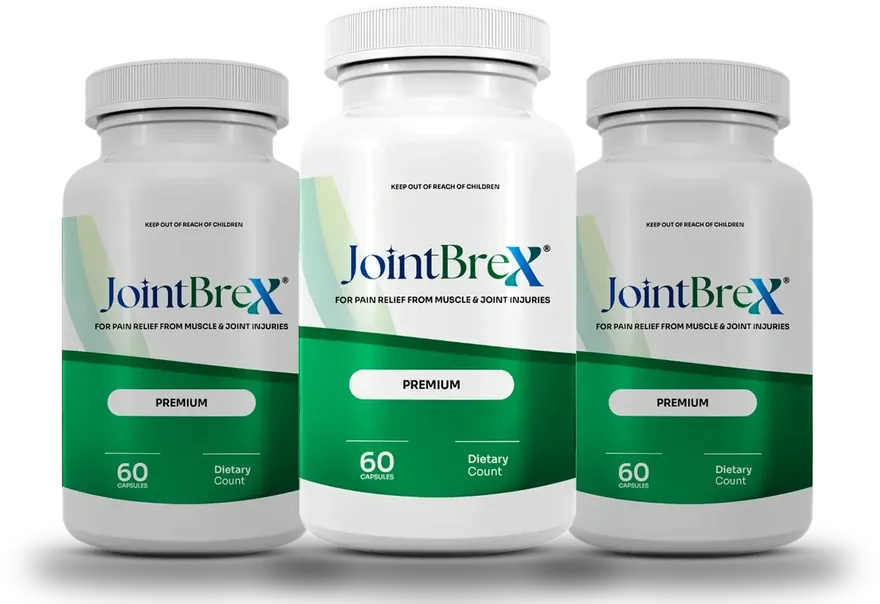
JointBrex Reviews: Verified Feedback Only
This site shows JointBrex reviews only when they can be tied to real buyers.
None has been verified yet, so no star score or buyer count is shown here. Verified feedback will be added when it exists.
Meanwhile, the JointBrex FAQ answers the common questions.
Why there is no star rating, count or quote on this site
The review figures we were given were marked as layout copy in the source material, not real customer data. So we publish none of it.
You will not find a star rating on this page, a customer count, or a single quoted sentence from a buyer. That is a decision, not an oversight, and it deserves an explanation rather than a quiet absence. The material supplied to us for this product included figures that looked exactly like review data: scores out of five, counts of buyers, short first-person testimonials. In the source files, every one of those figures was labeled as layout copy — placeholder text meant to fill a template, not a record of anything a real customer said or scored. We could not verify a single figure or a single sentence against an actual buyer, so none of it appears anywhere on this site.
What "marked as layout copy" actually means
Not a vague doubt about honesty. A specific label in the source files that we are taking at its word.
"Marked as layout copy" is a specific, checkable thing, not a vague suspicion. Design and marketing teams commonly build a page with placeholder numbers and placeholder quotes filled in first, so a layout can be reviewed and approved before real customer data exists to drop into it. Sometimes that placeholder content gets swapped out for the real thing before a page goes live. Sometimes, for whatever reason, it does not, and the placeholder ships. We have no way to tell which situation produced the figures we were given, and that uncertainty is itself the reason to publish nothing rather than guess.
| What was supplied | How it was marked in the source material | What we published |
|---|---|---|
| Star scores (out of 5) | Layout copy | Nothing. No star rating appears anywhere on this site. |
| Buyer or order counts | Layout copy | Nothing. No count of buyers or reviews appears anywhere on this site. |
| First-person testimonial quotes | Layout copy | Nothing. No quote is attributed to a customer anywhere on this site. |
| Photo composites arranged as testimonial-style images | Seller marketing artwork | Not published. See below. |
This extends to hidden markup, not just to what you can see
A rating can be embedded invisibly for search engines to read. We have not done that anywhere on this site either.
There is a technical version of this same decision worth stating for anyone checking our work rather than just reading our prose. Search engines let a site mark up a rating or a review count in a hidden, structured format, separate from anything a visitor actually reads on the page, so that a star rating can show up directly in a search result even if the reader never opens the page at all. We have not added that markup anywhere on this site, for this page or any other, because doing so would put an unverifiable rating in front of someone before they even reach the explanation on this page. The decision is not just "no stars visible here." It is "no rating data anywhere in what this site publishes," visible or hidden.
Why a fake testimonial is worse here than on most products
A made-up review does not just mislead about quality. It can talk someone out of seeing a doctor they need.
A fabricated testimonial is a bad idea on any product page. On a pain product, it is a worse one, for a reason that has nothing to do with advertising standards and everything to do with what a reader does next.
A testimonial that says "my knee pain from an old injury disappeared in two weeks" does not read to a worried reader as a persuasive sentence. It reads as a data point: someone whose situation sounded like mine got better this way. If that story is invented, it can talk a real person into waiting through another week, or another month, of pain that Mayo Clinic's own guidance says deserves a clinician's attention right away — a hot or swollen joint, pain with fever, or pain following an injury that is not settling. Mayo et al., 2026 A fake five-star story is not a victimless exaggeration in that situation. It is a reason someone delays a real diagnosis.
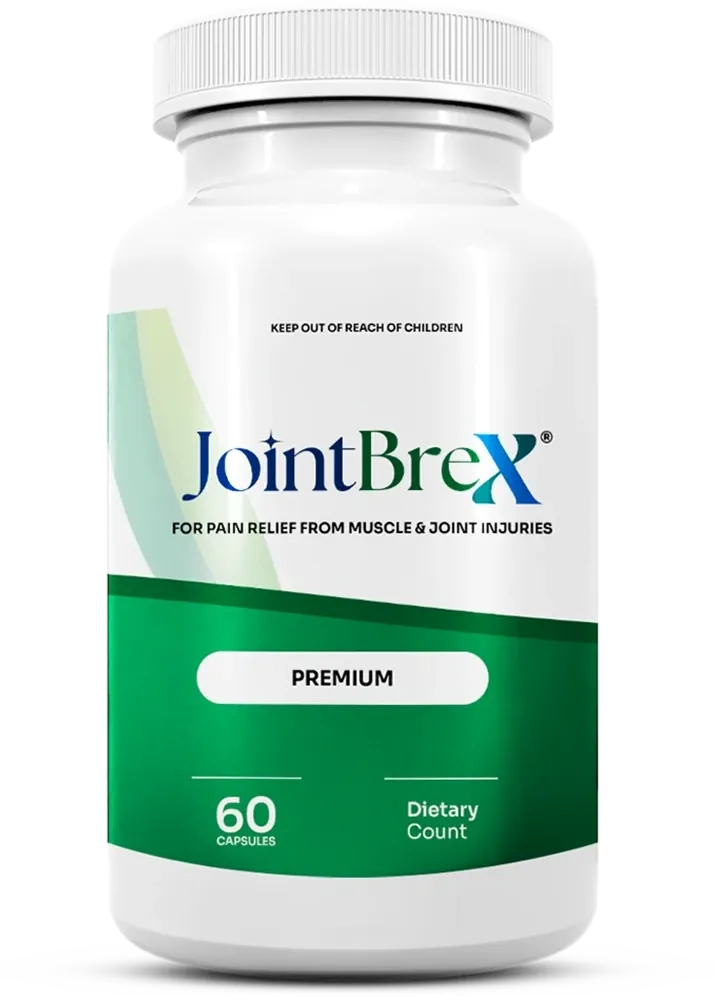
This is also exactly the pattern this bottle's own front-panel wording invites: a claim of relief from "muscle & joint injuries," a category of pain where Mayo Clinic is specific about which signs need prompt medical evaluation rather than home management. A testimonial claiming fast relief from injury pain, whether fabricated for this product or genuinely written by someone who should have seen a doctor sooner, points a reader in the same wrong direction. We are not willing to add a fabricated version of that story to the genuine risk the real one already carries.
None of this requires assuming bad faith about how the placeholder figures ended up in the material we were given. Templates get built before real data exists all the time, in every industry that sells things online, and a placeholder shipping by mistake is an ordinary production error, not necessarily a deliberate act. The reason we are explicit about it anyway is that the ordinary explanation and the dishonest one look identical from a reader's side of the screen, and a reader in pain has no way to tell which one they are looking at. Treating both possibilities the same way, by publishing neither, is the only response that does not ask you to guess.
The photography that was built to look like reviews, and does not appear here
Three more pieces of supplied artwork, none of them technically labeled review data, all withheld for the same reason.
Three pieces of supplied artwork read like reviews without technically being labeled as review data, and we are not publishing any of them either, for a closely related reason.
- Three photo-composites of people holding the bottle, arranged as testimonial polaroids. We publish no reviews, so we will not run photography whose only function is to look like reviews.
- Two stock photographs of unnamed men in lab coats, one holding the product. No clinician is named for this product. A picture of a man in a lab coat is not a medical endorsement and we will not imply it is.
- A strip of blurred publication logos in an 'as seen in' arrangement. We could not verify a single one of those mentions, so the strip does not appear on this site.
The photo composites are the clearest case: three images arranged like testimonial polaroids, designed to read as customer proof at a glance, attached to a product where we have already established the underlying testimonial numbers were placeholder text. Running photography whose only function is to look like a review, on a site that has just explained why it publishes none, would undo the decision in the same breath as stating it. The "as seen in" logo strip is a related case: we could not verify a single one of the publications it implies coverage from, so it does not appear here either.
How to read reviews elsewhere, since you will not find them here
Four habits that make someone else's review more useful than a star count alone.
None of this means every review you find on another site is fake, or that reviews are useless as a category. It means a specific set of figures handed to us for this product could not be verified, which is a narrower claim. If you go looking for feedback on this or any similar product elsewhere, a few habits make the exercise more useful than reading star counts at face value.
Read for specifics, not scores
A review that names a specific dose, a specific number of weeks, or a specific measurement (stairs, a walk, a stiffness duration) is harder to fabricate convincingly than a score out of five. Vague enthusiasm is the cheapest kind of review to invent.
Notice bursts and repetition
A cluster of five-star reviews posted in a short window, or several reviews using near-identical phrasing, is a pattern worth treating with more skepticism than an individually written, dated, specific account.
Separate a platform's verification from the product's claims
A "verified purchase" tag confirms someone bought the item, not that their account of what happened is accurate, complete, or representative of what you should expect.
Weigh a testimonial against the guideline, not instead of it
A stranger's story about fast relief does not outweigh what the underlying research on an ingredient actually found. The benefits page and the guideline context on the who it's for page are a steadier baseline than any single account.
What we would publish, if verified feedback ever existed
Not never. Verified, dated, unedited, and attributable to a real purchaser, or not at all.
This is not a permanent policy against ever showing customer feedback. It is a policy against showing feedback we cannot verify, and the bar for verification is specific rather than vague.
A named, real purchaser we can confirm bought the product
Not an anonymous handle attached to a five-star score with no order behind it that we can check.The full, unedited text
Not a fragment pulled out to sound more decisive than the original comment actually was.A dated timestamp
So a reader can judge how recent the feedback is, and whether it predates or postdates any change to the formula or the label.No editing of the substance
Trimming for length is fine. Changing what someone actually said is not, and we would say plainly if any edit for length occurred.
Testimonials that imply a health outcome are, in substance, a version of the same kind of claim the FTC's own compliance guidance holds a marketer to: something that needs to be true and checkable, not just persuasive. Federal et al., 2022 We intend to hold a published testimonial to a similar standard, which is a real reason genuine feedback, if it exists, takes longer to appear here than a placeholder number would have.
This site earns money on a sale, which is why this decision is stated plainly
We have a financial reason to want good reviews on this page. That is the reason to be explicit about not having verified any.
One more thing worth stating plainly, since it is relevant to how you should weigh anything on this page: Jointbrexcare earns a commission when an order completes through this site. That is exactly why this decision is the harder one to get right, not the easier one. A site with no financial stake in a purchase has less to gain from inventing a good review and less to lose from publishing an honest absence of one. We have the opposite incentive, which is precisely the situation where publishing unverifiable customer data would be easiest to justify to ourselves and hardest to justify to you. We are choosing not to.
Reviews: common questions
Does JointBrex have a star rating?
Not on this site. The star scores supplied to us for this product were marked as layout copy in the source material, meaning placeholder numbers rather than a real record of customer ratings, so we do not display any rating here.
How many people have bought or reviewed JointBrex?
We do not know, and we do not publish a count. The order and review figures supplied to us were marked as layout copy, not verified data, so any number we printed here would be a guess dressed up as a fact.
Are the customer testimonials for JointBrex real?
We cannot verify that the testimonial text supplied to us came from real buyers, because it was marked as layout copy in the source material. Rather than publish something we cannot verify, we publish none of it.
Why does a fake review matter more for a pain product than for other products?
Because a reader in pain can treat a stranger's story as a reason to wait rather than see a doctor. If that story is invented and the underlying pain has a red-flag sign behind it, the fake review has actively delayed a real diagnosis, not just misled someone about product quality.
Why doesn't this site show the customer photos that came with the product?
The pack included photo composites arranged to look like testimonial photos. We had already established that the testimonial numbers behind them were unverifiable placeholder text, so publishing photography built to resemble reviews would contradict that decision rather than support it.
Should I trust JointBrex reviews I find on other sites?
Read them critically rather than at face value: look for specific details rather than just a score, notice clusters of near-identical five-star reviews, and remember that a "verified purchase" tag confirms a purchase, not the accuracy of the account attached to it.
Will this site ever publish JointBrex reviews?
If verified feedback exists — a real, confirmed purchaser, full unedited text, and a visible date — yes. Nothing supplied to us so far has met that standard.
Does this site benefit financially from not publishing bad reviews, or from inventing good ones?
Jointbrexcare earns a commission on completed orders, which is exactly why an unverifiable good review would be tempting to publish and exactly why we are stating, in detail, that we are not doing that.
Keep reading
The 13 marks on the bottle, examined the same way
What each seal actually certifies, what a real certificate of analysis would show, and why none exists.
Read →What can honestly be claimed for it
The studied use and dose caveat for every ingredient, without a testimonial standing in for evidence.
Read →Who this is, and is not, a reasonable fit for
The red-flag signs that belong with a doctor, the same ones a fabricated testimonial could talk you past.
Read →Order JointBrex from the authorized retailer
60 servings per bottle, 1 to 2 droppers a day. Kits of 2, 3 or 6 bottles run from $49 a bottle on the sales page, with a 60-day money-back guarantee. Questions first? Call +1 (302) 200-3480.