Can You Take Glucosamine, Turmeric and Chondroitin Together?
Many products combine glucosamine, turmeric and chondroitin, and JointBrex puts all three in one capsule. Our sources hold no study of the three together, so safety of the trio is not published. Known cautions are shellfish allergy, a glucosamine and warfarin interaction and a rare turmeric liver signal. Ask a pharmacist first.
Key facts
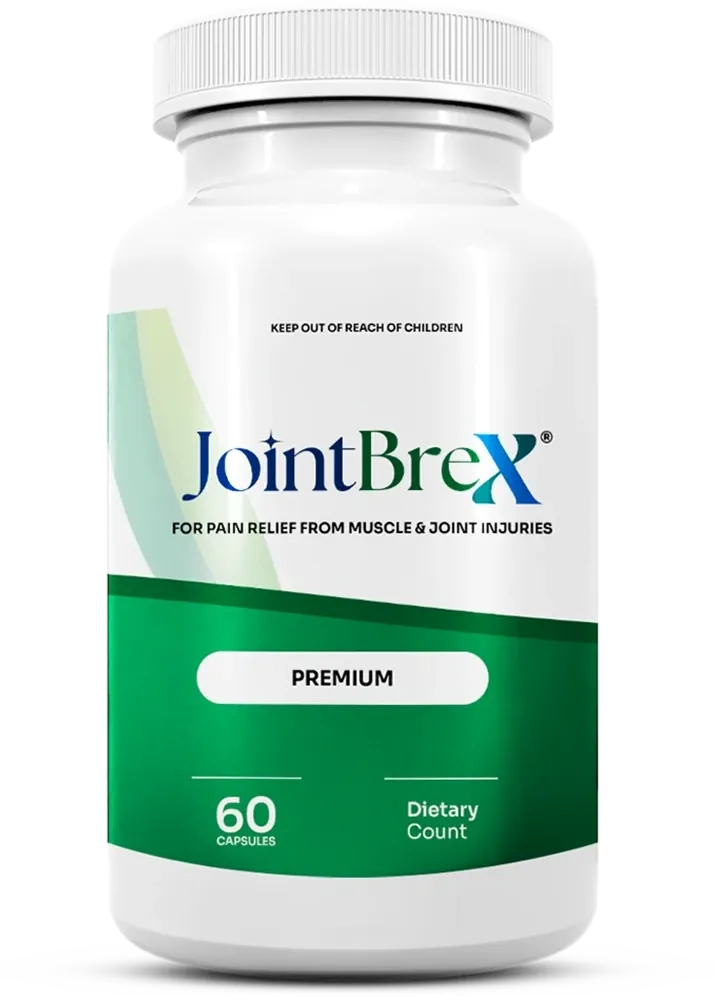
- JointBrex contains all three: glucosamine sulfate 1,000 mg, chondroitin sulfate 100 mg and turmeric root 100 mg per serving.
- No study of the three taken together is in our sources, so combined safety is not published.
- GAIT tested glucosamine and chondroitin alone and together, at 1,500 mg and 1,200 mg a day, and found no significant overall benefit over placebo.
- Curcumin trials are separate and used 500 to 1,000 mg of curcumin a day, not root powder.
- Glucosamine in this product is shellfish-derived, and it has a documented interaction with warfarin.
- Turmeric and curcumin supplements carry a rare liver-injury signal, mostly in high-absorption forms.
- Add up glucosamine and chondroitin from every product you use before you combine anything.
If you are weighing the three together, the order page shows the product name and count so you can match the label we describe.
See today's price and guaranteeDisclosure: Jointbrexcare earns a commission if an order completes through this link. It does not change what you pay.
Can you take glucosamine, turmeric and chondroitin together?
People do, and the market sells them together. Searches such as can you take turmeric and glucosamine together, glucosamine chondroitin turmeric and turmeric glucosamine benefits show how common the idea is. JointBrex is one example: its capsule holds all three.
But “people do” is not the same as “studied and shown safe.” The sources we hold contain no study of the three together. So we cannot give a clean yes. What we can give is each ingredient's known cautions, what the research tested, and the amounts in this bottle.
What is each of the three supposed to do?
The seller's story is simple. Glucosamine is described as a building block for cartilage. Chondroitin is described as something that holds water in cartilage. Turmeric is described as anti-inflammatory, and the term joint health with turmeric comes from that idea.
These are proposed roles, not results. A good story is a reason to run a trial. It is not the trial.
What did research actually test together?
The big test pairs two of the three. The GAIT trial followed 1,583 people with painful knee osteoarthritis for 24 weeks. People took glucosamine hydrochloride at 1,500 mg a day, chondroitin sulfate at 1,200 mg a day, both together, a prescription anti-inflammatory or a dummy pill. Overall, neither one nor the pair beat placebo by a significant margin (Clegg et al., 2006).
A smaller group with moderate-to-severe pain did better on the pair, but the authors called that finding exploratory. A Cochrane review of 43 chondroitin trials found a modest pain benefit, mostly at 800 to 1,200 mg a day (Singh et al., 2015). Turmeric was not part of GAIT.
Curcumin has its own trials. A meta-analysis of randomised trials in osteoarthritis reported improvement over placebo with 500 to 1,000 mg a day of curcumin, over 4 to 12 weeks (Wu et al., 2019). That is a different product from turmeric root powder, as the next section shows.
How much of each is in JointBrex?
| Ingredient | On the label (per 2 capsules) | Studied daily dose | Gap |
|---|---|---|---|
| Glucosamine sulfate | 1,000 mg | 1,500 mg | Below |
| Chondroitin sulfate | 100 mg | 1,200 mg | One twelfth |
| Turmeric root | 100 mg of root powder | 500 to 1,000 mg of curcumin | Root powder is roughly 0.6 to 3 percent curcumin |
Do the sum for turmeric. Root powder at about 0.6 to 3 percent curcumin means roughly 0.6 to 3 mg of curcumin in 100 mg of powder. The trials used hundreds of milligrams of curcumin. Absorption is another gap: in one human study, 2,000 mg of curcumin alone gave barely detectable blood levels, while 20 mg of piperine from black pepper raised absorption sharply (Shoba et al., 1998). The JointBrex label names no piperine.
What cautions apply when you combine them?
- Shellfish. The glucosamine here is shellfish-derived, and the label says the product contains crustacean shellfish (crayfish). If you are allergic, do not take it.
- Warfarin. A published case report describes INR rising from 2.3 to 4.7 in a patient who changed his glucosamine and chondroitin intake (Knudsen and Sokol, 2008).
- Blood sugar. A federal summary says glucosamine may raise blood glucose in some people, which matters if you manage diabetes (NCCIH, 2026).
- Liver. Turmeric and curcumin supplements carry a rare, documented liver-injury signal, mostly with high-absorption products (LiverTox, 2020). Tiredness, dark urine or yellow skin means stop and get checked.
- Doubling up. Glucosamine and chondroitin sit in many joint products and some creams and multivitamins. Their amounts add together.
Nothing here says the trio is unsafe for an adult with no allergy and no blood thinner. It says that the combination itself has not been studied in our sources, so the sensible step is a check with a pharmacist.
How should you decide whether to combine them?
- Rule out the stop signs: shellfish allergy, pregnancy or nursing, under 18, warfarin.
- List everything you already take that contains glucosamine, chondroitin or turmeric.
- Ask a pharmacist to check your exact mix of medicines and supplements.
- Decide what you will measure and for how long, and write the baseline first.
- Keep up the basics that guidelines put first, such as exercise and, where it applies, weight care.
One more point from the guideline: it conditionally recommends against glucosamine and chondroitin (ACR and Arthritis Foundation, 2020). That is not a ban. It is a reason to treat any combination as an add-on, not the plan.
Frequently asked questions
Can you take glucosamine and turmeric together?
Many products combine them, including JointBrex. No study of the combination is in our sources, so check with a pharmacist, especially if you take warfarin or have a shellfish allergy.
Can you take glucosamine, chondroitin and turmeric together safely?
Safety of the trio together is not published in our sources. Each ingredient has its own cautions, so a pharmacist should check your medicines first.
Does turmeric add anything to glucosamine and chondroitin?
Curcumin has separate trials at 500 to 1,000 mg a day. JointBrex has 100 mg of root powder, which holds roughly 0.6 to 3 mg of curcumin, so those trials do not carry over.
What did GAIT find about glucosamine and chondroitin together?
With 1,583 people over 24 weeks, neither one nor the pair beat placebo by a significant margin overall. A moderate-to-severe pain subgroup did better, which the authors called exploratory.
Does JointBrex contain glucosamine, chondroitin and turmeric?
Yes. Per two-capsule serving it has glucosamine sulfate 1,000 mg, chondroitin sulfate 100 mg and turmeric root 100 mg, plus five other ingredients.
Who should avoid combining these ingredients?
Anyone with a shellfish allergy, anyone on warfarin who has not checked, anyone pregnant, nursing or under 18, and anyone with past turmeric-related liver trouble.
Our view
Taking glucosamine, chondroitin and turmeric together is common, and for many adults the practical risk looks small. But the honest summary is that two of the three have a big trial with a mixed result, the third has trials of a different product, and nobody has tested the trio.
If you want to try a combined capsule, do it with a pharmacist in the loop, a written baseline and a clear review date. If you take warfarin or have a shellfish allergy, the answer is to talk first or not at all.
- Turmeric root is not curcumin
- What the GAIT trial found
- Label dose vs trial dose
- JointBrex side effects
If you decide to look at JointBrex, read the allergen line and ask your pharmacist about your own medicines before the first capsule.
See today's price and guaranteeDisclosure: Jointbrexcare earns a commission if an order completes through this link. It does not change what you pay.
Last updated . This page is general information, not medical advice. JointBrex is a dietary supplement, it is not FDA approved, and no supplement is. Talk to a doctor or pharmacist about your own joint pain, your medicines and your health history.